

Peek behind the curtain at IHMC’s April 2024 Open House

Published 2.29.24 For Dr. Robert Griffin, the question isn’t why he came to Pensacola to work in the robotics lab at Florida IHMC. It’s why he stays. “I stayed because we have a phenomenal team, and we try and remove the formality from work to allow us to focus on the things to be done, and how to enjoy that process,” he said. “We also place a high value on intellectual freedom that we enjoy here. Basically, if we can convince someone to fund it, we can pursue it. That’s a tremendous opportunity.” On April 11, 2024, Griffin will be among dozens of researchers, roboticists, engineers, cognitive scientists, and human performance experts who will share what they love about IHMC during Open House for National Robotics Week. From 3 to 7 p.m., Institute for Human and Machine Cognition staff will welcome families, students, and the public for tours, walk-throughs, and inspiration on the Pensacola campus on South Alcaniz Street. The final tour begins at 6:30 p.m. The family-friendly event encourages scientific discovery through hands-on activities, challenges, and demonstrations while providing the opportunity to learn. Visitors will meet IHMC researchers and see first-hand their work in drones, robotics, virtual reality experiences,… Read More
STEM-Talk: Dr. Michael Leon on the power of olfaction enrichment to ameliorate dementia symptoms
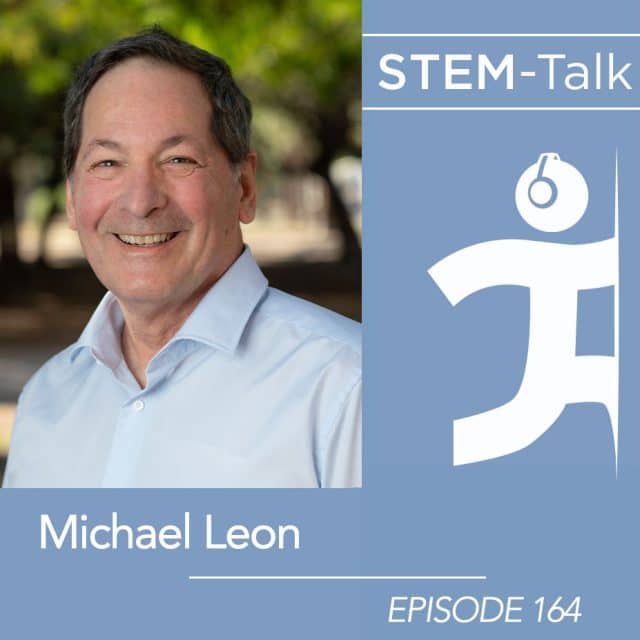
Published 2.21.24 What if the path to delaying the onset of dementia symptoms begins at the nose? It is a doorway that the research of Dr. Michael Leon opened with a 2023 study on the power of olfaction enrichment to influence memory function and brain health. The findings attracted wide interest by finding that stimulation of our sense of smell with essential oils had a profound impact on memory, cognition, and language recall. Our conversation with Leon on STEM-Talk Episode 164 is available now on the STEM-Talk webpage as well as popular podcast platforms. Olfaction can be considered a kind of “canary in the coal mine” for serious consequences. “Olfactory loss accompanies virtually all neurological and psychiatric disorders,” Leon says. “I’ve counted about 70 of them. It also is associated with all of the things that will eventually kill you. Heart disease, kidney disease, cancer, lung disease, liver disease – all the things that will eventually kill you — all are associated with olfactory loss. It may be that loss of olfaction puts your brain and body at elevated risk for expressing these.” Leon’s long research career has focused on the influence of environmental enrichment on neurological function, disease, and… Read More
IHMC hosts Dynamic Walking Conference in May 2024 drawing robotics experts from across the world
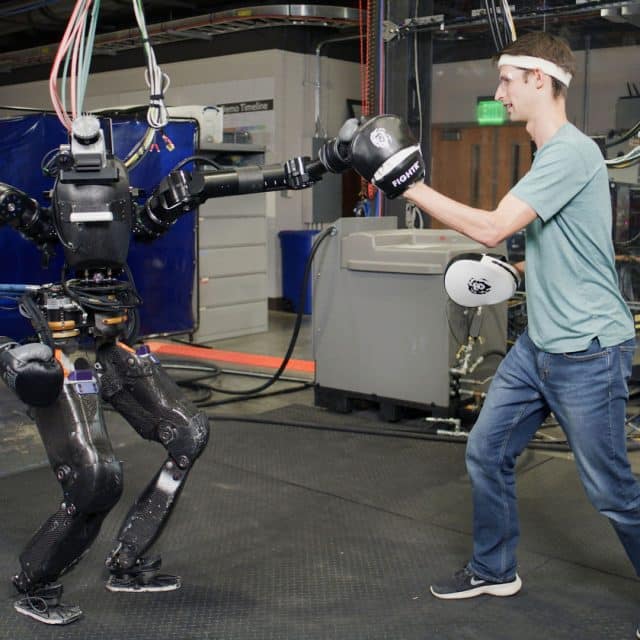
Published 2.15.24 In late May, IHMC will host the 20th annual Dynamic Walking Conference, a premier gathering of engineers and roboticists working in the realm of robotics. The conference, set for May 27-30 at Pensacola Beach, includes experts and researchers in biomechanics, human and animal locomotion, prosthetics and orthotics, robot design and control, wearable robotics, and exoskeletons. It is one of several gatherings of subject-matter experts IHMC is part of each year. It has been six years since IHMC previously hosted the conference, which rotates between the United States and Europe. The 2023 conference was hosted in Munich by DLR, the German Space Agency. Dr. Robert Griffin, the IHMC research scientist who leads the robotics team, looks forward to the opportunity to showcase his team and their work. The conference typically attracts some 200 researchers from around the world, Griffin said. Work that Griffin’s team has completed recently on the humanoid robot Nadia is likely to be a topic of discussion, as well as IHMC’s work on exoskeletons with Eva. Throughout late 2023 and early 2024, the team has been testing new designs for Nadia’s arms, as well as changes in the mixed-reality teleoperation assistance environment that controllers use to… Read More
Dr. Tom Jones Evening Lecture on March 14 includes book signing by Bodacious Bookstore
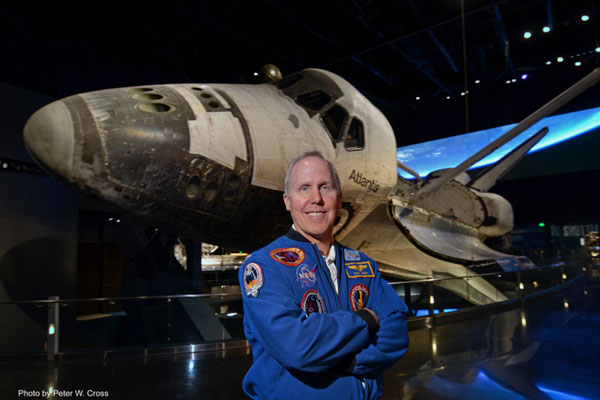
Published 2.13.24 It’s been some 12 years since the Space Shuttles retired, but the lessons America learned from its signature space program still reverberate. What we know how to do well today in space, we learned on the shuttle. Those lessons are the foundation of work on the International Space Station and plans to return to the Moon. Nobody knows that better than Dr. Tom Jones. Jones spent 53 days living and working in space. A graduate of the U.S. Air Force Academy, he is an author, pilot, and speaker whose career includes 11 years at NASA. He flew on four Space Shuttle missions and led three spacewalks to install the centerpiece of the International Space Station. On March 14, 2024, he will share “Space Shuttle Stories,” an IHMC Evening Lecture inspired by his book of the same title. The lecture begins at 6 p.m., but locally owned Bodacious Bookstore will host an onsite book signing with Jones from 4 to 5:30 p.m. at IHMC. 40 S. Alcaniz St. Jones will be available to sign his new book “Space Shuttle Stories” from 4-5:30pm at IHMC, 40 South Alcaniz Street. “We are so pleased to partner with Bodacious Bookstore to host… Read More
STEM-Talk: Mark Mattson on the brain’s most important neurotransmitter
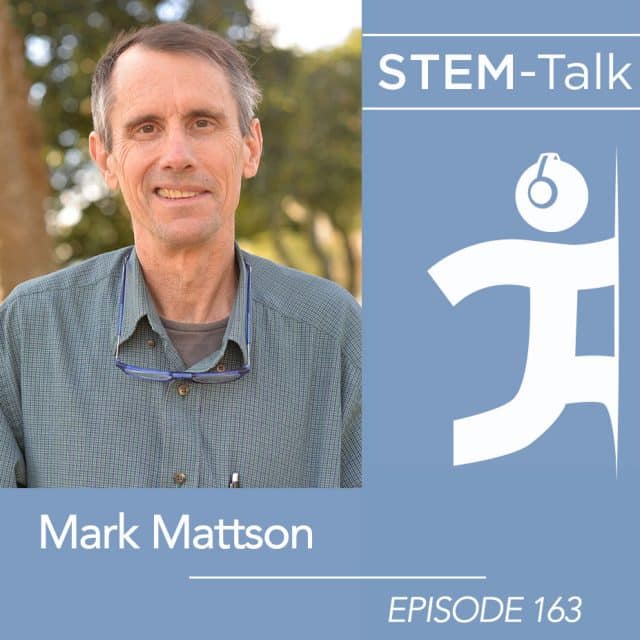
Published 2.1.24 The Godfather of Intermittent Fasting is back on STEM-Talk. Dr. Mark Mattson is back for a third appearance on STEM-Talk. His first two interviews focused on the many ways that fasting optimizes healthspan and lifespan. This time we shift gears to talk about Mattson’s work on glutamate following the publication of his new book, “Sculptor and Destroyer: Tales of Glutamate – The Brain’s Most Important Neurotransmitter.” The episode is available now on our website and wherever you listen to podcasts. More than 90 percent of the neurons in the brain deploy the little-known molecule glutamate as their neurotransmitter. Glutamate also controls the structure and function of the brain’s neuronal networks and mediates many of our human capabilities, such as learning and memory, creativity and imagination. But there’s also a dark side to glutamate. Mattson shares how subtle aberrancies in the activity of neurons can deploy glutamate in such a way that it can cause disorders such as autism and schizophrenia and epilepsy as well as diseases such as Alzheimer’s and Parkinson’s and ALS. You won’t want to miss this conversation with includes: Why Mattson feels his research on glutamate is his most important, given his substantial contributions in… Read More
IHMC Newsletter highlights human-machine teaming research and more
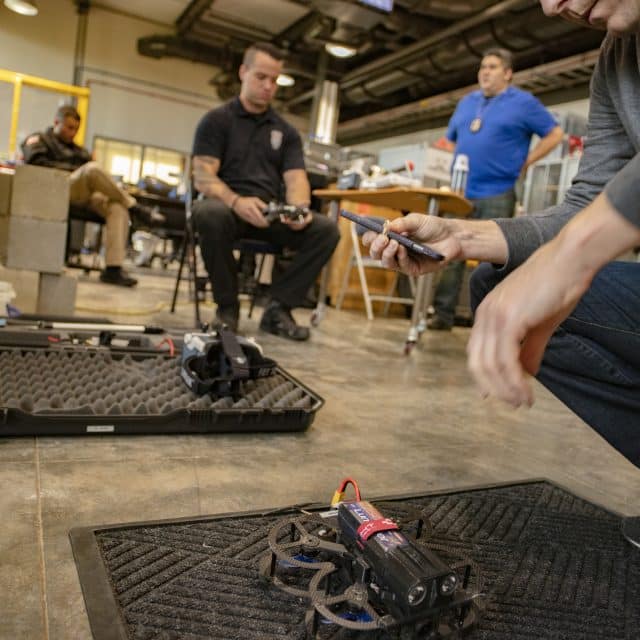
Published 1.16.24 The latest edition of IHMC’s newsletter is now available, highlighting the work of our incredibly talented team. Among the features in this issue is the work of Senior Research Scientist Dr. Matt Johnson, one of IHMC’s leaders in the human-machine teaming, working on technologies that can be applied in domains including disaster response, space applications, aviation, and military operations. Johnson’s research into making human-machine teams more flexible, resilient, and effective also falls under this umbrella. Projects such as those Johnson is currently leading include using virtually reality, simulations and other tools to build training platforms to improve collaboration between humans and their machine partners. “AI comes in a lot of flavors,” Johnson says. “It’s very broad, and IHMC’s been involved from the beginning with the different approaches.” The newsletter, available here, also features: Research on how the Internet of Things could be applied to benefit military operators, disaster response and the like. An IHMC-designed haptic sensor in flight gloves that could make it easier for flight crew to operate safely in extreme environments. Our partnership with the American Magic yacht racing team. An update on construction of the $40 million Healthspan, Resilience, and Performance research complex, due to… Read More
STEM-Talk: Marc Hamilton on the metabolic power behind the soleus push-up
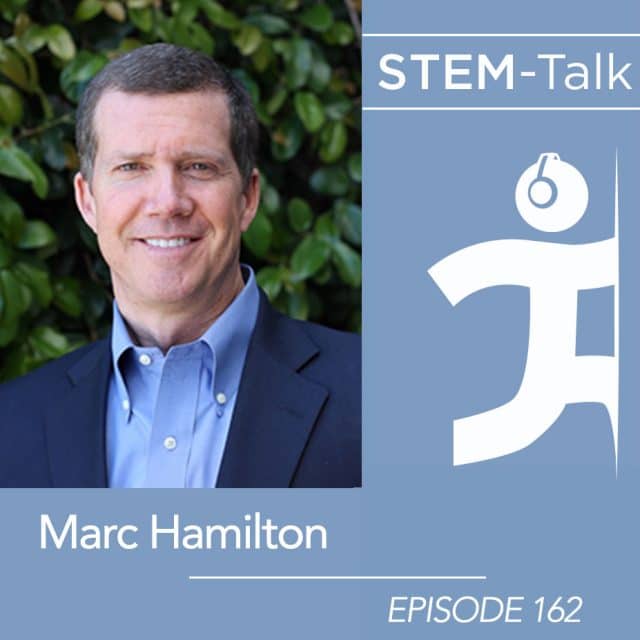
Published 1.12.24 Dr. Marc Hamilton has published pioneering work on the soleus push-up, a potent physiological method with the ability to elevate metabolism for hours, even while sitting. Hamilton is well-known for a string of papers beginning in early 2000’s that found excessive sitting should be viewed as a serious health hazard. In Episode 161 of STEM-Talk, available now on all podcast platforms, Hamilton shares his scientific evolution during a conversation with IHMC’s founder Dr. Ken Ford and Dr. Marcas Bamman, IHMC’s Director of Healthspan, Resilience, and Performance Research. Hamilton is a a professor of Health and Human Performance at the University of Houston. Today’s interview is wide-ranging and covers: The inspiration his childhood history of hunting and studying animal biology had for his affinity for the real-world scientific problems he works on today. His work beginning in the early 2000s about how long periods of inactivity impact lipoprotein lipase regulation. How he came to the conclusion that excessive sitting should be considered a serious health hazard. How the study of the soleus muscle and its function evolved. What proper activation of the soleus muscle looks like and what it’s impacts can be. What’s next for Hamilton and his team…. Read More
Science Saturdays welcome students with new sessions in 2024
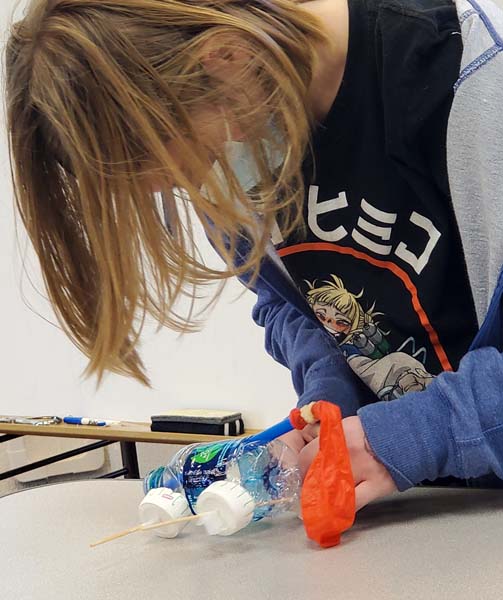
Published 1.8.24 Science Saturdays are back and ready to turn on new scientific minds in 2024. These 90-minute educational enrichment sessions are a cornerstone piece of community outreach at Florida Institute for Human and Machine Cognition (IHMC). Topics in 2024 will include balloon cars, secret codes, genetics, the science of design, and more. The sessions are free to the families who attend, thanks to the support of community partners. Science Saturdays is entering its 16th year, and in the 2022-2023 school, more than 300 students attended the series, said Dr. Ursula Schwuttke, director of educational outreach for IHMC. “Science Saturdays is one of the original community outreach efforts IHMC undertook,” Schwuttke said. “Our commitment to helping build future scientists, engineers and critical thinkers is integral to who we are as an organization. We have a great lineup of sessions coming to round out the 2023-2024 school year and we can’t wait to get to work.” Sponsors for the 2023-2024 series in Pensacola include NextEra Energy Foundation/Florida Power & Light, Florida Blue Foundation, the Escambia County Sherriff’s Office (with Law Enforcement Trust Fund monies), and Cox. Ocala supporters also include Lockheed Martin, Florida Blue Foundation, Cox, Ron and Phyllis Ewers, Eleanor… Read More
Evening Lecture series kicks off 2024 highlighting power of Internet of Things
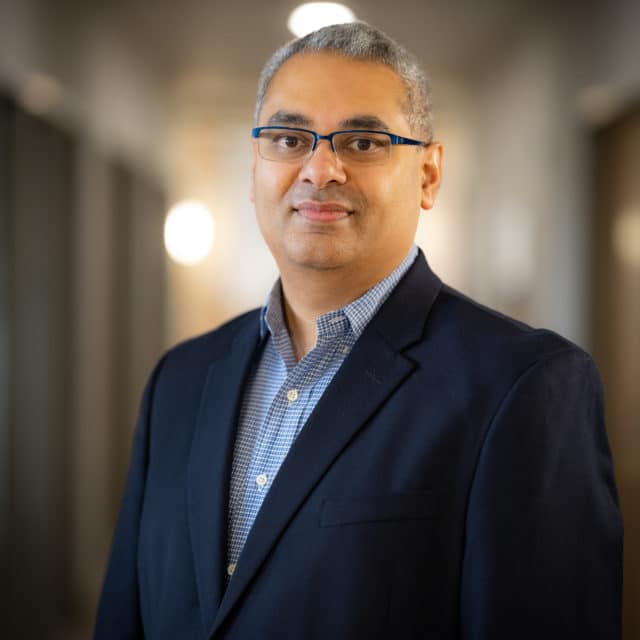
Published 1.4.24 You used the Internet of Things (IoT) today even if you didn’t realize it. The GPS mapping tools that guided your commute, the traffic cameras that alerted you to a traffic delay or nabbed a red-light-runner, the smart-home devices that locked your front door, turned off the lights, and told you the weather — all are part of the IoT. It’s likely that any errand you ran this week used these networked sensors to communicate and share data as part of a wide array of everyday things that exchange information, sense the environment, and act upon the environment. The data gathered and analyzed by IoT has a range of applications for both military and civilian life, and IHMC’s Associate Director Dr. Niranjan Suri is among the leaders researching how this data trove could be leveraged. He kicks off the 2024 IHMC Evening Lecture Series with a talk highlighting this research area on Jan. 18. Reserve your seat here. Throughout his career, Suri’s research has focused on networking, communications, distributed systems, information management, interoperability, Internet of Things (IoT), and the application of machine learning to all of those domains. “They can essentially create a smarter thing, a smarter home,… Read More
STEM-Talk: Sten Stray-Gundersen on blood-flow restriction training and cardiovascular exercise physiology
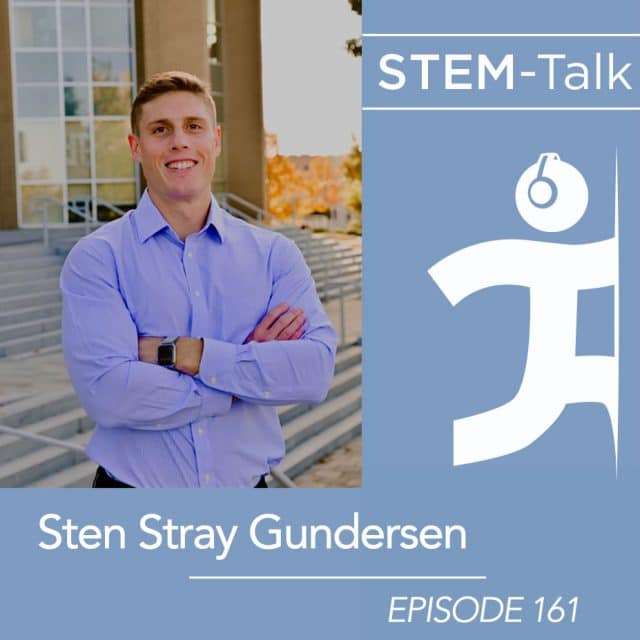
Published 12.18.23 This episode of STEM-Talk has a generational twist. Dr. Sten Stray-Gundersen is our guest on Episode 161 which is now available on all podcast platforms and on our website. The conversation covers Sten’s research on blood-flow restriction training and cardiovascular exercise physiology. It’s a subject that Sten’s father, the late Jim Stray-Gundersen, pioneered in the United States. Jim was our guest on Episode 34 of STEM-Talk. Sten is a post-doctoral research associate at the University of South Carolina and is an adjunct instructor at the university’s Arnold School of Public Health. Prior to his position at South Carolina, Sten was a teaching assistant at the University of Texas, where he earned his Ph.D. The conversation with Dr. Ken Ford, IHMC’s founder and CEO, and Dr. Marcas Bamman, Senior Research Scientist at IHMC, includes the documented benefits of blood-flow restriction and how it not only increases muscle strength, but also improves endurance and reduces the risk of injury. Sten also talks about his research into hypoxia and endothelial function. We also discuss: The influence of family on Sten’s athletic and career path. Sten’s experience trying blood-flow restriction (BFR) for the first time with his father. How blood flow restriction… Read More
STEM-Talk: Euan Ashley on precision medicine’s potential to predict, prevent and diagnose diseases
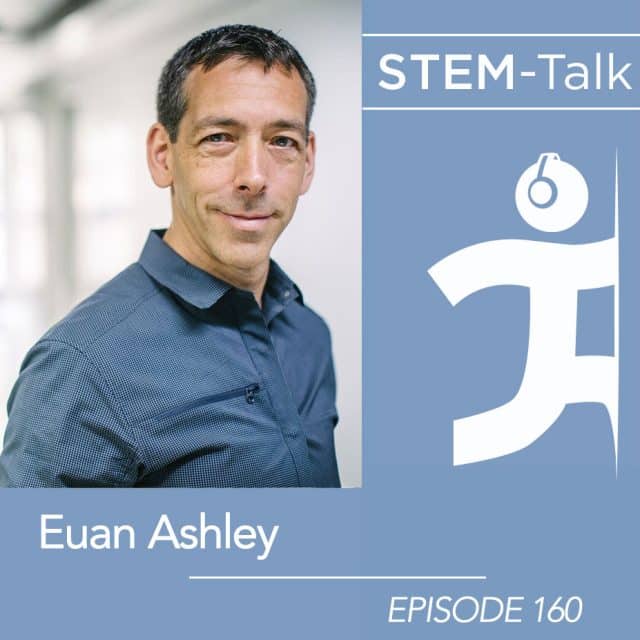
Published 12.4.23 STEM-Talk episode 160 featuring a conversation with a pioneer in the use of genomic sequencing is now available on IHMC’s website, podcast apps and YouTube. Dr. Euan Ashley is a professor of cardiology and genetics at Stanford University in California who is developing new technologies to solve some of the most puzzling medical mysteries that people face today. He is helping pioneer medical genomics, as well as the precision medicine that it will enable, that has the potential to predict, prevent, and diagnose many common (and uncommon) diseases. In today’s interview, Dr. Ken Ford and his co-host Dr. Dawn Kernagis talk to Euan about: — His work with a colleague who was just the fifth person in the world to have his genome sequenced. — Precision medicine and how Euan has helped establish medical genomics. — How Euan and his colleagues set the Guinness World Record for the fastest genomic diagnosis. — Technological advances that made sequencing cost-effective for individuals. — How pathogenic labels will transform healthcare. — The Undiagnosed Disease Network, which includes physicians from across the country who work with patients and families to solve medical mysteries. — Research coming out of Euan’s lab that shows… Read More
IHMC earns HIRE Vets award for commitment to hiring veterans
Published 11.8.23 U.S. Acting Secretary of Labor Julie A. Su recognized the Florida Institute for Human & Machine Cognition as a recipient of the 2023 HIRE Vets Medallion Award during a virtual award ceremony on Nov. 8, 2023. The Honoring Investments in Recruiting and Employing American Military Veterans Act (HIRE Vets Act) Medallion Program is the only federal award program that recognizes employers who successfully recruit, hire, and retain veterans. IHMC also won the award in 2021. IHMC joins a select group of companies and organizations across the country recognized for hiring veterans and providing them with career opportunities that take advantage of the diverse skills they acquired during military service. “We know very well the commitment to excellence and dedication that members of our military community bring to everything they do,” said IHMC founder and CEO Ken Ford. Between its Pensacola and Ocala branches, nearly 14.8% of IHMC’s new hires last year were veterans, according to Associate General Counsel Stephanie Tillery Rothfeder, who coordinated IHMC’s submission for the award. “We are honored to win this prestigious award for the second time in three years,” Rothfeder said. To be considered for the award, an entity must meet a 7% hiring… Read More
STEM-Talk: An “Ask Me Anything” episode that covers AI, therapeutic ketosis, and more
Published 11.6.23 STEM-Talk covers a wide array of topics, but there is a theme that our podcast returns to often — the role that mentorship plays in the lives of our guests. And our hosts. Episode 159 of STEM-Talk — an “Ask Me Anything” episode where listeners ask Ken and Dawn to weigh in on a number of topics — brought up the question from a listener for Dr. Ken Ford, host and IHMC’s founder and CEO, about the mentors who have most profoundly influenced him. The episode is available now on podcast apps, YouTube and on IHMC’s website. Dozens of STEM-Talk guests have spoken about a teacher, a coach, parent, or professor whose advice and support were critical to their development and career. Ken shared that his parents and his wife, Nancy, are his most profound influences. He also shares a little about another figure whose advice still rings true for him: Arthur Kershaw, legendary wrestling coach at East Greenwich High School, in East Greenwich, R.I. “He was in a class by himself as builder of character in young men,” Ken says. “In many ways he was the best teacher of all. His lessons were important and they have… Read More
New research complex making impact on downtown Pensacola skyline
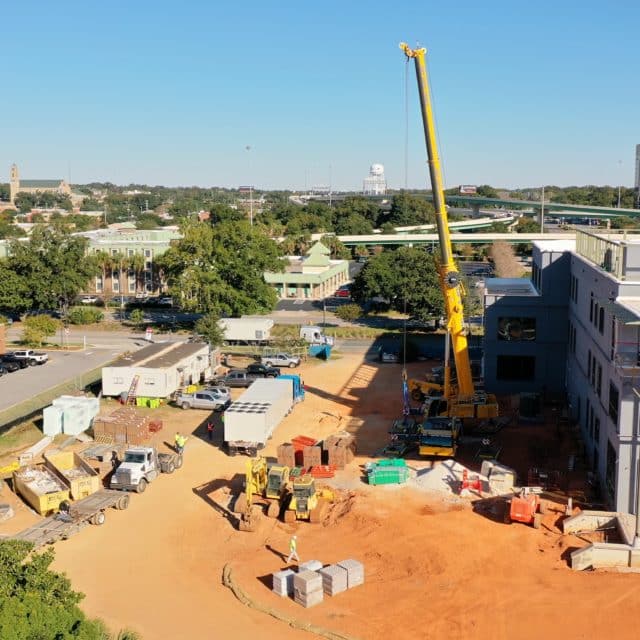
Published 11.2.23 The summer has seen marked progress on a new research complex that will expand the Florida Institute for Human and Machine Cognition (IHMC) Pensacola campus. In June, the project marked a milestone, “topping out” the planned $40 million Healthspan, Resilience, and Performance Research Complex (HRP). “Topping out” is a builders’ rite traditionally held when the last beam (or its equivalent) is placed atop a structure during its construction. Work on the HRP has progressed steadily since the ceremonial groundbreaking in February 2023. The building is expected to be complete in spring 2024, said Phillip Turner, IHMC’s director of architectural and engineering services. “It has been particularly exciting to see the complex take shape in the downtown skyline,” Turner said. The building, once completed, will substantially increase IHMC’s footprint in downtown Pensacola, which we have called home since 1999. The 40,000 square-foot research complex is an investment in the intellectual capital of the region, creating a research nucleus that will help attract leading scientific minds to the region. DAG Architects, partnered with Atlanta-based Cooper Carry, designed the building. Brasfield & Gorrie leads the construction of the facility located at the corner of Garden and Alcaniz streets in Pensacola. When… Read More
STEM-Talk: Judith Curry on the uncertainties of climate change
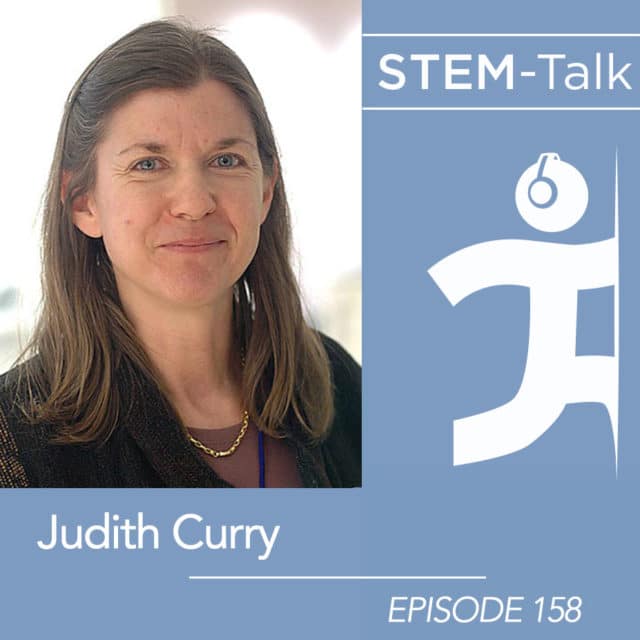
Published 10.6.23 Dr. Judith Curry wants more people to appreciate the large uncertainties associated with climate science. It’s why Curry has worked to fight “groupthink” in science, advocate for transparency and engage critics. It is her way of keeping the conversation focused on the nuance that is a critical component of science and scientific discussion. Her appearance on Episode 158 of STEM-Talk, available now on podcast apps, YouTube and on IHMC’s website, reflects this. Curry is president of the Climate Forecast Application Network and the host of the blog, Climate Etc. She also is Professor Emerita of Earth and Atmospheric Sciences at the Georgia Institute of Technology. In scientific circles, she is known as a contrarian for pointing out the uncertainties and limitations of climate modeling. Her blog is a forum for climate researchers, academics, and technical experts from other fields as well as citizen scientists to discuss climate science and policy. “In my opinion the worst possible scenario is that we are left to face extreme weather and climate impacts with a crippled energy system that drastically reduces our resilience,” Curry says. “Focusing on climate change leads us to ignore the broader ecological problems associated with our impact on… Read More
STEM-Talk: Don Layman on the role of dietary protein in muscle, health, and disease
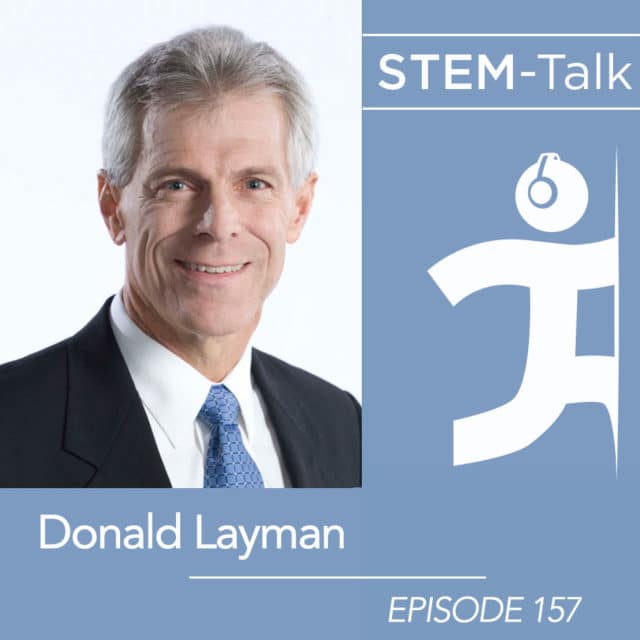
Published 9.18.23 Few people know more about muscle development than Dr. Donald Layman. As the world’s foremost authority on dietary protein and amino acids, he is known for his extensive research on muscle development and his studies of metabolic regulation for obesity, diabetes, and cardiovascular disease. Layman’s interview with STEM-Talk co-hosts Drs. Ken Ford and Marcas Bamman is now available on IHMC’s website and YouTube as well as in popular podcast apps. “I think everyone knows that our body has a lot of protein in it,” Layman says. “What people don’t realize is we have a constant process of turnover. Every protein in the body has a half-life. Some last an hour or two, some last 30 or 40 days. We have this constant rate of repair and replacement going on. That’s why we need to pay attention to protein turnover. How well we do this process of protein turnover has a lot to do with long term health and aging.” Layman spent 31 years on the faculty at the University of Illinois Urbana-Champaign, where he is now a professor emeritus. His lab focused on understanding how metabolism works. Today, he works as Director of Research for the American Egg… Read More
Fall Evening Lecture Series kicks off with expert in autonomous ocean robotics
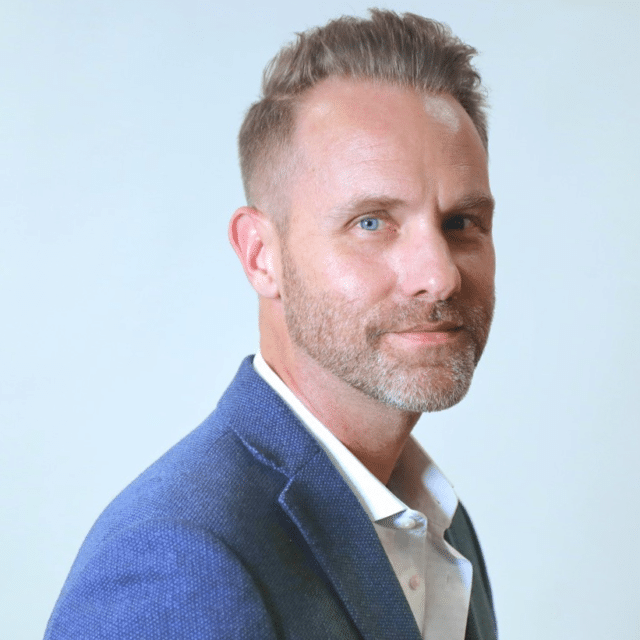
Published 9.8.23 Nic Radford wants us to love ocean exploration the way we romanticize space exploration. He knows whereof he speaks. Radford is an engineer, roboticist, inventor, and entrepreneur who spent 14 years at Lyndon B. Johnson Space Center’s Dexterous Robotics Laboratory at NASA in Houston. He now is founder, president, and CEO of Nauticus Robotics Inc., a company that creates and deploys autonomous marine robotic systems. He launched the Fall 2023 Evening Lecture season at the Florida Institute for Human and Machine Cognition (IHMC) with the talk, “From Outer Space to Inner Space: Developing Robots for Final Frontiers,” on Sept. 20. You can watch the lecture here if you missed it in person. “Space flight dominates our romantic thinking,” Radford said. “I’d like to see us explore Mars, but there are lot of pressing challenges here on Earth and those pressing challenges could use investment.” Radford calls Nauticus his life’s work and says it directly ties to his 14 years at NASA. Applying technological principles his team learned from spaceflight robotics, Nauticus challenges the aging and inefficient existing service infrastructure of the offshore industries, Radford says. “The ocean is fundamental to almost every aspect of human life but is… Read More
STEM-Talk: Dr. Josh Hagen on performance lessons from athletes, warfighters
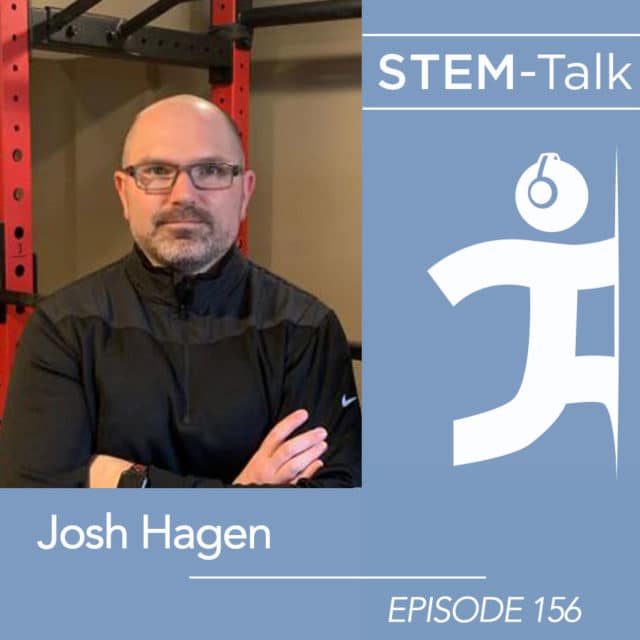
Published 8.23.23 Baseball may be America’s pastime, but it also is a data scientist’s dream. Dr. Josh Hagen, director of the Human Performance Collaborative at Ohio State University, learned firsthand how deep the data mining well can go when it comes to tracking baseball player performance. Hagen, who appears on Episode 156 of the STEM-Talk podcast, was part of a longitudinal study of changes in a baseball player’s maximal strength as a result of resistance training. The study focused on the impact the exercise had on total home runs per game across three years of training in four competitive seasons for four teams. “Baseball is a fascinating sport when it comes to math and statistics,” Hagen says. “As far as American sports, baseball has gone head-first into statistics. I’ve been floored by the amount of staffing and infrastructure these teams have (around data)…. Every swing, every pitch is biomechanically analyzed.” Hagen’s STEM-Talk is co-hosted by IHMC Founder Ken Ford and IHMC’s Chief Strategic Partnership Officer Dr. Morley Stone, who has had an instrumental role in Hagen’s career. The conversation covers Hagen’s work at the Human Performance Collaborate, which brings together multidisciplinary teams of researchers, sports scientists, data scientists, and practitioners… Read More
Back-to-school means back to Science Saturdays at IHMC

Published 8.17.23 The Florida Institute for Human and Machine Cognition is where Gabriela Sullivan’s passion for science education flourished. This fall, she’s coming back to share it with the next generation. As a high schooler, Sullivan was a regular volunteer at IHMC’s Science Saturdays STEM enrichment program for students in grades 3 through 6. She remembers being in awe of the researchers and teachers who could encourage and inspire a room full of young minds. “Their ability to convey complex concepts in a way that was both understandable and exciting fascinated me,” she said. “It made me want a career that involved science education.” She made that dream a reality. Sullivan graduated from the University of Florida and now works for the City of Ocala as water conservation coordinator. In October she will lead a Science Saturday of her own at the Ocala campus. Her topic will be healthy wetlands. “Today’s youth will be the scientists of tomorrow, and throughout my session, I want students to feel engaged and included, knowing that there is a place for them in the field of science,” she said. For nearly 16 years, Science Saturdays has been opening doors for kids like Sullivan. IHMC’s… Read More
Robotics Camp fires students’ STEM excitement through hands-on learning
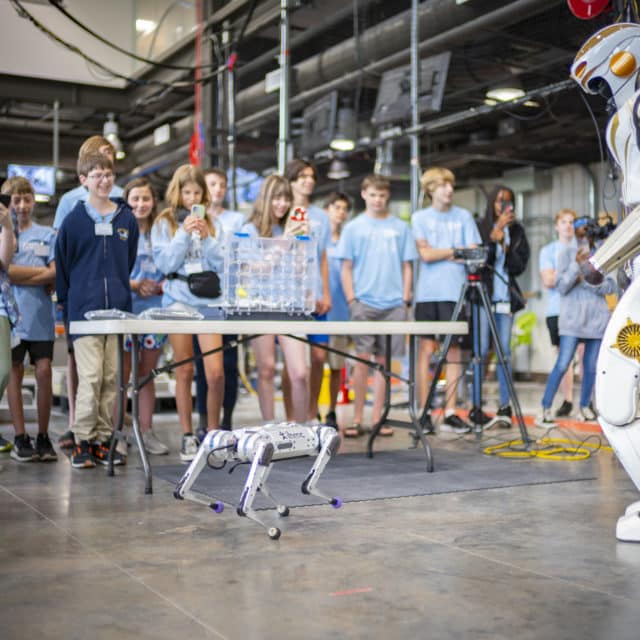
Published 8.2.23 This summer, the ordinarily quiet classrooms of the Florida Institute for Human and Machine Cognition’s Pensacola and Ocala campuses became engineering playgrounds as part of 2023 Summer Robotics Camp. Over the course of four, one-week sessions, 66 middle and high schoolers got these hands-on experiences and more designing their own LEGO robots, learning the basics of computer programming, and interacting with researchers. “We are reaching out to the next generation of scientists, helping them to discover what their future might look like,” said Dr. Ursula Schwuttke, IHMC’s Director of Educational Outreach. Any future in STEM requires strong teamwork and problem-solving skills, and Robotics Camp is designed to teach just that. Under the guidance of IHMC staff and volunteers from local high schools, campers worked in pairs to assemble LEGO Mindstorms robots. Students then used a block-based, visually appealing coding language to guide their creations through mazes and obstacle courses, debugging code and redesigning robots as they went. Campers attending the second Ocala session also learned how to program in Python. “You don’t get too many chances to actually mess around with robots in day-to-day life,” said Max Truong, a former Science Saturdays attendee who is now a rising… Read More