

WATCH: Dr. Karen Wooley on the future of sustainable, biodegradable plastics.
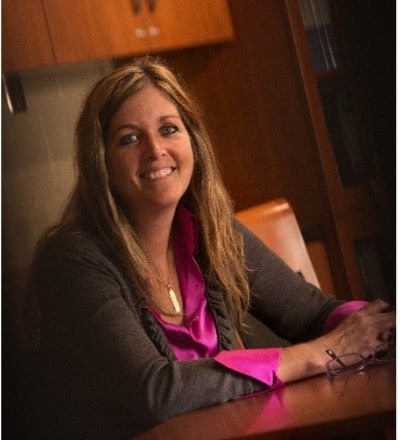
Published 2.24.23 Dr. Karen Wooley wants to find the next iteration of sustainable, biodegradable plastics. She’s looking to the insect world for part of the answer. Wooley, who holds the W. T. Doherty-Welch Chair in Chemistry and is a University Distinguished Professor at Texas A&M University, spoke as part of the Smart Lecture series at IHMC. If you couldn’t be with us in person, watch her lecture here. Her lecture shared the latest efforts to support the commercial translation of carbohydrate-derived degradable plastics to harvesting of building blocks from insect feedstocks. As scaled-up production of biomass-based biodegradable polymers grows, focus has turned to harvesting the naturally-derived building blocks from black soldier flies, to avoid competition with resources that are important to food, fuel, and construction. The goal is not just improving sustainability, but digestibility should the product end up in an animal or human. The inspiration for the work has links to the world of orthopedic medicine, where the mismatches in tensile strength, functionality and longevity between bone and materials like metal or polymer-based screws, rods or inserts, led to the focus on finding bioplastics that could substitute. Watch our video recap here to learn more.
STEM-Talk: Jeff Volek on what we’ve learned in 30 years about keto, carb-restricted diets and health
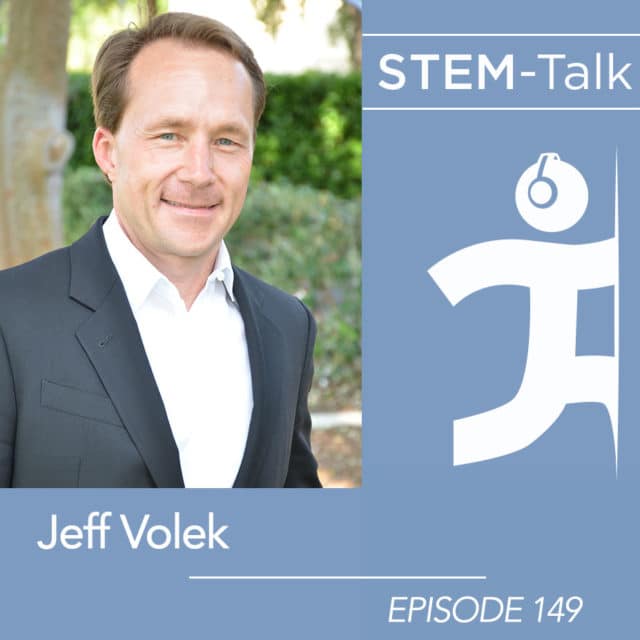
Published 2.21.23 Dr. Jeff Volek has been investigating how humans adapt to ketogenic and carbohydrate-restricted diets for 30 years. On his return to STEM-Talk — available on our website and wherever you enjoy podcasts— Jeff talks about a growing accumulation of studies supporting a ketogenic diet to improve metabolic health, as well as research confirming the relative safety of dietary fat. Jeff is a professor in the Department of Human Sciences at Ohio State University. He is known for his research on the clinical application of ketogenic diets in the management of insulin resistance and type-2 diabetes. His first STEM-Talk appearance was in 2017. Americans have long been led to believe that saturated fats lead to obesity and heart disease. This flawed assumption remains at the root of much public health policy, despite there has been a steady accumulation of studies over the last 20 years supporting carbohydrate restriction as well as the relative safety of dietary fat advances. Jeff addressed this in a paper in Science titled “Dietary Fat: From Foe to Friend?”, and also, a paper in the Journal of the American College of Cardiology titled “Saturated Fats and Health: A Reassessment and Proposal for Food Based Recommendations.” … Read More
WATCH: Dr. Alexander Fleming’s Evening Lecture on geroscience and healthy longevity
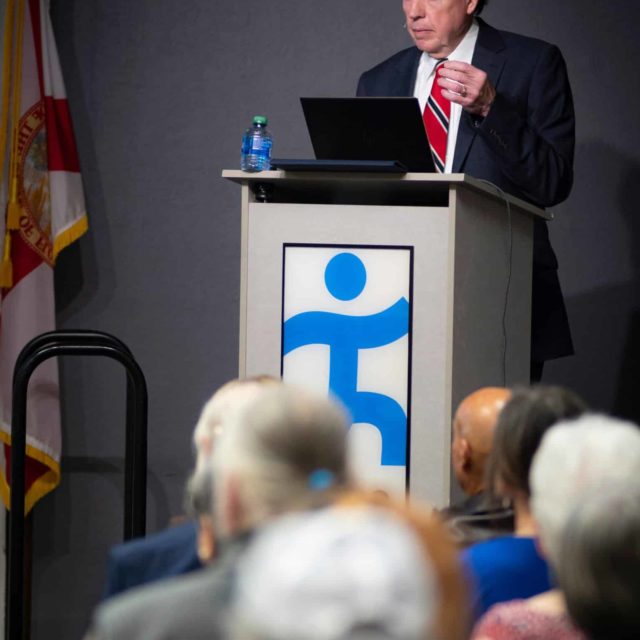
Published 2.17.23 People are living longer, but those longer years are often marred by multiple chronic diseases — and the exploding cost of managing those conditions — in the final and least productive years of life. In the first IHMC Evening Lecture of 2023, Dr. Alexander Fleming talked about efforts to understand how we can extend our productive, healthy years — a concept he calls healthy longevity. If you couldn’t be with us in person, you can still learn from Dr. Fleming with our video recap. Watch it here. Fleming is a former head of clinical review at the U.S. Food and Drug Administration (FDA) for products for diabetes and other metabolic and endocrine disorders. His notable drug approvals at FDA included the first statin and metformin. He represented the FDA at the World Health Organization and other international initiatives. He founded Kinexum, a company with expertise in developing drugs, biotech products, including gene and cell therapies, medical devices, and digital health technologies. In 2020, he founded the not-for-profit Kitalys Institute to facilitate testing, regulation, and commercialization of healthspan products. Kitalys produces the annual Metabesity conference, which began in 2017 and brings together global experts, policymakers, and advocates… Read More
IHMC breaks ground on new, $30 million human performance research complex
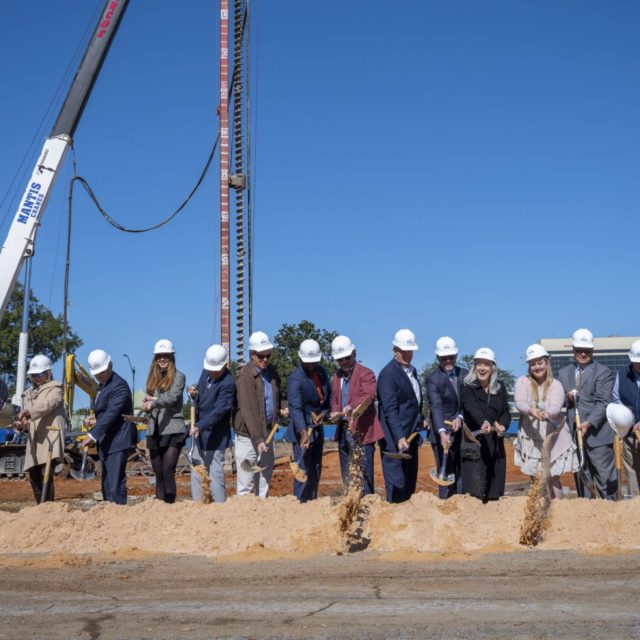
Published 2.3.23 The Florida Institute for Human and Machine Cognition broke ground today on a new $30 million project in downtown Pensacola, setting up the next chapter in the research facility’s journey of innovation and collaboration. The IHMC Healthspan, Resilience and Performance complex will be a leading-edge lab and office building that will create a research hub, based in Northwest Florida, for advancing human healthspan, resilience, and performance with the potential to lead the field. The facility is an investment in the intellectual capital of Northwest Florida, creating a hub of excellence in healthspan, resilience, and performance research that will draw leading scientific minds to the region. “This facility, and the people housed in it, really will be one-of-a-kind, and it will be a reputational jewel for our community and region,” IHMC’s founder and CEO Dr. Ken Ford said. IHMC is funding the cost of the building. Partnering with the Institute are two state agencies, Triumph Gulf Coast, a nonprofit corporation created to manage the funds from the settlement of the BP Deepwater Horizon 2010 oil spill disaster; and Space Florida, the agency charged with supporting and growing the state’s aviation and aerospace industries. Triumph is funding a substantial portion… Read More
STEM-Talk: Ed Weiler on the Hubble and James Webb telescopes and NASA’s search for life
Published 1.31.23 Ed Weiler wanted to be among NASA’s first scientist astronaut. He made it through several rounds of selection, but in the end, he wasn’t chosen. “Then I gave up and was happy to be an astronomer,” Weiler says. Fortunately, he had another path that brought him to NASA. Indeed, he went on to a 33-year career at the National Aeronautics and Space Administration, including 20 years as chief scientist for the Hubble Space Telescope, the forerunner of the James Webb. In STEM-Talk Episode 147, available now on IHMC’s website and wherever you listen to podcasts, Dr. Ed Weiler talks about his career, one in which he wore many hats. His roles included Associate Administrator of the Science Mission Directorate; Center Director of NASA’s Goddard Space Flight Center, Associate Administrator for NASA’s Space Science Enterprise, chief of the Ultraviolet/Visible and Gravitational Astrophysics Division and director of the Astronomical Search for Origins Program. The conversation in this episode includes: — NASA’s accomplishments in the past year, including the Perseverance mission, the success of the James Webb telescope, and the launch of Artemis-1. — Ed’s experience as the Chief Scientist for the Hubble Space Telescope during its early development. — Ed’s… Read More
IHMC wins Best Paper award at International Conference on Humanoid Robots 2022
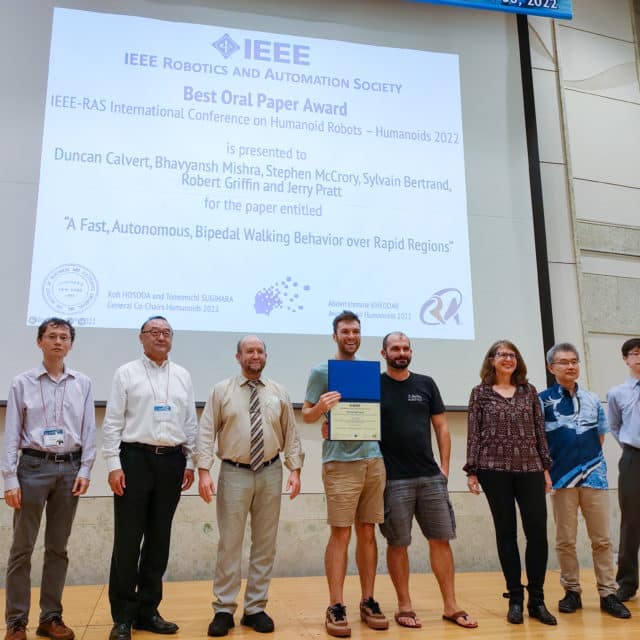
Published 1.23.23 The IHMC’s robotics team recently was lauded at one of the premier conferences in their field. The team of Duncan Calvert, Bhavyansh Mishra, Stephen McCrory, Sylvain Bertrand, Robert Griffin, and Jerry Pratt won the Best Paper award at the International Conference on Humanoid Robots 2022 conference in November in Okinawa, Japan. The conference is sponsored by the Institute of Electrical and Electronics Engineers’ (IEEE) Robotics and Automation Society. The paper is titled “A Fast, Autonomous, Bipedal Walking Behavior Over Rapid Regions.” It is linked here. The publication highlights a newly constructed behavior control system for achieving fast, autonomous, bipedal walking, without pauses or deliberation. The control system uses a recently published rapid planar regions perception algorithm, a height map-based body path planner, an A* footstep planner, and a momentum-based walking controller to improve the humanoid’s performance over uneven terrain. Walking over flat terrain is something humanoids are adept at across the industry. The behavior control system IHMC’s team developed dramatically improves the robot’s ability to smoothly traverse rough terrain (broken concrete and cinder blocks). “Humanoid robots have a very difficult time traversing anything other than perfectly flat ground. They also have a hard time doing anything by themselves,”… Read More
Science Saturdays start 2023 with sessions on robotics, roller coasters, human performance and more

Published 1.12.23 The joy is in discovery. That’s what Nicole Esposito sees at Science Saturdays, IHMC’s weekend science enrichment series. She is an IHMC Research Associate who works in the robotics lab at Florida Institute for Human and Machine Cognition in Pensacola. The team she is part of has an international reputation for excellence and innovation. But Science Saturdays connects her to a larger purpose. “It’s always a joy to watch how quickly these kids learn,” she said. “It’s always fun to talk about a topic you enjoy, but doing so with these groups of kids, who are so eager and ready to learn, is a special experience.” Last fall, Esposito taught a session on 3D printing at Science Saturdays, giving students a safe and fun educational space in which to explore scientific topics and interests. “Exploring the ways they understand these topics is just as enlightening for me as it is for them, and it’s always fascinating to see how well they reason through certain puzzles and challenges and come to inventive and intelligent solutions,” Esposito said. Science Saturdays is a series of 90-minute educational enrichment sessions. Topics in 2023 will include robotics, roller coasters, animal adaptations, human performance, and more. … Read More
Dr. James Allen named fellow by Association for Computational Linguistics

Published 1.6.23 IHMC Associate Director and Senior Research Scientist Dr. James Allen has earned another accolade in his long and distinguished career in natural language understanding and research. Allen in December 2022 was named a fellow by the Association for Computational Linguistics. He was one of eight leaders in the field to be so recognized by ACL, a leading professional organization in the study of computational language processing — a field Allen has helped pioneer. The nominating committee recognized Allen, who is also a professor emeritus at the University of Rochester where he has been on the faculty since 1978, “for significant contributions to natural language dialogue research, planning and plan recognition.” Allen’s research concerns defining computational models of intelligent collaborative and conversational agents that can interact effectively with humans in a wide range of problem-solving and analysis tasks. His research is unique in that it combines what often are treated as separate fields in artificial intelligence. Those fields include knowledge representation and reasoning, language understanding, planning, intention recognition, and learning. Allen’s system is a high-performance generic collaborative agent that can be rapidly adapted to new problem-solving domains. Computational linguistics is the science at the root of speech recognition systems,… Read More
IHMC launches 2023 Evening Lecture Series in January
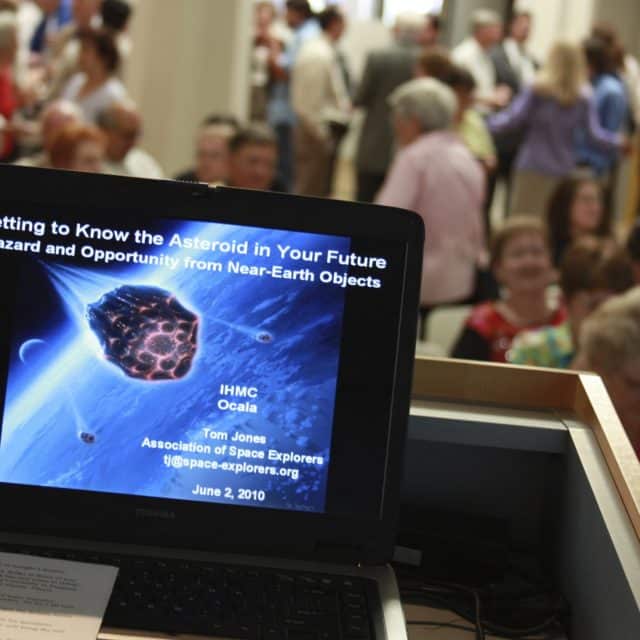
Published 1.5.23 IHMC’s 2023 Evening Lecture series is kicking off this month with speakers highlighting healthy longevity and progress in exoskeleton research. Both IHMC campuses — Pensacola and Ocala — are opening the free public lecture series with January lectures by Dr. Alexander Fleming and Dr. Gwen Bryan. How can you increase healthy longevity beyond common senses measures such as good nutrition and physical activity? That’s the subject that Fleming will explore on Jan. 25 in Pensacola. Fleming’s talk, “Targeting Healthy Longevity—Why, How, and When Will We Have the Means of Living Longer and Healthier,” is the first of the 2023 season of Florida Institute for Human and Machine Cognition’s public lecture series. Fleming, a former head of clinical review at the U.S. Food and Drug Administration for products for diabetes and other metabolic and endocrine disorders, is scheduled to speak at IHMC’s downtown Pensacola campus. The doors open at 5:30 p.m.; the talk begins at 6 p.m. Guests can hear Fleming share more about what the latest science says about slowing the aging process and what you can do now to increase healthspan. His talk also covers drugs that are under development to slow the aging process and increase… Read More
STEM-Talk: Dr. Gwen Bryan shares the future of exoskeletons
Published 1.4.23 We walk every day, so we think it’s an easy thing to do. But when we try to recreate it with an exoskeleton in the lab, the truth reveals how complex and challenging it is. That’s the puzzle that Dr. Gwen Bryan is working to solve as part of the exoskeleton team at the Florida Institute for Human and Machine Cognition. Episode 147 of “STEM-Talk” features a conversation with Bryan, an IHMC Research Scientist who investigates wearable robotic devices aimed at augmenting human performance in clinical, occupational, and military applications. The episode is available now wherever you listen to podcasts. With the exoskeleton team at IHMC, Bryan is particularly focused on maximizing the benefits of powered exoskeletons. At IHMC, Gwen leads the exoskeleton team, which is developing a novel augmentative device that continues IHMC’s research on mobility devices for people with spinal cord injury. The team also is researching a powered exoskeleton to aid government employees who work at nuclear site remediation. The team’s effort, which utilize a human-centered research approach, is uniquely situated to expand exoskeleton research and technology because of the expertise and collaboration among IHMC’s robotics and human-performance research groups. Listen to the conversation here.
STEM-Talk: Dr. Dan Pardi on flipping the focus to “actual health”
Published 12.16.22 What a revolution might it be if the healthcare system was built around our actual health, as opposed to the way it currently centers on treating an injury or disease once it occurs? That’s one of the ideas that Dr. Dan Pardi explores in the latest episode of STEM-Talk (Episode 146). In his conversation with IHMC Founder Dr. Ken Ford and IHMC Senior Research Scientist Dr. Marcas Bamman, Pardi talks about the flaws in a health system that is really built around treatment, rather than health and wellness support — and what it might take to switch that focus. Pardi is the CEO of humanOS.me – a digital health training application. He is well known for his research into sleep and has collaborated with the U.S. military as well as organizations including Adobe, Salesforce, Workday, Pandora, Intuitive Surgical, and more. His own podcast, humanOS Radio, is the official podcast of the Sleep Research Society, the Canadian Sleep Society, and a content partner of the Buck Institute on Aging. Dan collaborated with more than 100 science professors around the globe to create his digital humanOS application. Pardi has a Ph.D. in cognitive neuroscience from Leiden University in the Netherlands,… Read More
Exoskeleton research at IHMC moving forward
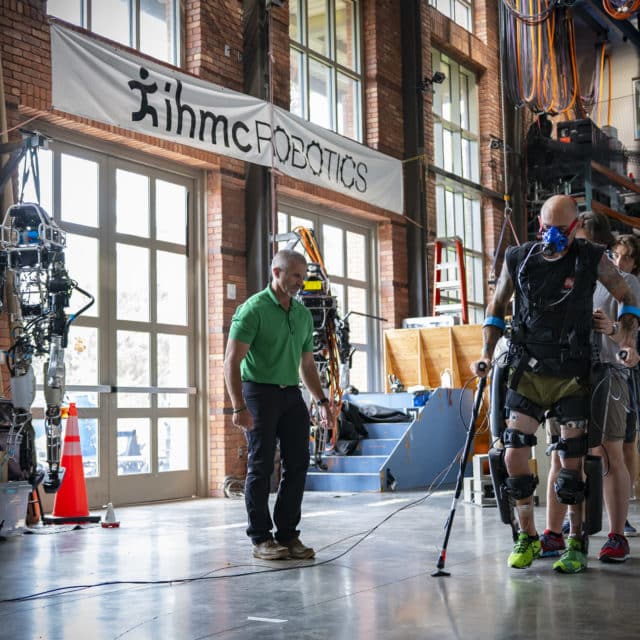
Published 12.7.22 IHMC has a long legacy of excellence in exoskeleton research. The potential benefits of exoskeletons include increased strength and endurance, reduced joint loading, resistance exercise, rehabilitation after injury, and enabling mobility for those with disease or disability. Two exoskeleton projects at IHMC — Quix and Eva — are undergoing upgrades thanks to a robotics team that is itself been expanded in the last two years. Read more about this and other IHMC projects in the newest edition of the newsletter. Quix is the fourth exoskeleton prototype developed by the IHMC exoskeleton team. It’s getting a new lease on life as the team has been upgrading the device and its software. Quix was designed to increase the mobility and independence of people with lower-body paralysis. The team is now investigating potential applications for rehabilitation therapy. Team members have now developed another wearable robot, Eva, to help extend healthspan and the quality of life for workers who must use heavy personal protective equipment during physically demanding and hazardous work. The revamp of Quix and the development of Eva are among the first major projects for the growing robotics team, and Research Scientist Dr. Robert Griffin said it has been exciting… Read More
STEM-Talk: “Ask Me Anything” episode tackles AI, hypersonics, fasting and more
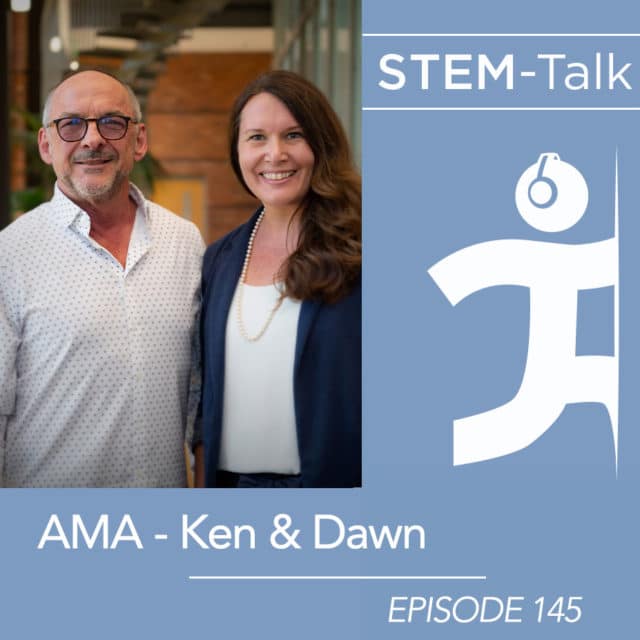
Published 12.2.22 It’s time for another Ask Me Anything episode where STEM-Talk cohost Dawn Kernagis asks Ken questions submitted by listeners. In this episode, available wherever you listen to podcasts, Ken and Dawn weigh in on: — Whether AI is becoming sentient. — How women in midlife might protect their bodies from the negative effects of a slowing metabolism. — A Stanford study that compared a low-carbohydrate diet with a Mediterranean diet. — Whether fasting helps optimize cognitive performance. — The future of hypersonic technology. — And a lot more. If you have a question after listening to today’s episode or any episode of STEM-Talk, email your question to STEM-Talk Producer Randy Hammer at rhammer@ihmc.org. STEM-Talk is the podcast of IHMC, a not-for-profit research institute of the Florida University System. Researchers at IHMC pioneer science and technologies aimed at leveraging and extending human capabilities. For more information, visit ihmc.us.
IHMC launches multi-year project augmenting, assessing performance in extreme environments

Published 11.22.22 Recently, IHMC kicked off a multi-year project sponsored by Air Force Research Laboratory’s Materials and Manufacturing Directorate (AFRL/RX) with participants from AFRL’s 711th Human Performance Wing, Airman Systems Directorate (RH). The program “Augmenting and Assessing Performance in Extreme Environments” (A2PEX) aims for real-time sensing via wearable sensors, and assessment and augmentation of cognitive performance in missions conducted in extreme environments. The goal is to develop a robust wearable system that helps overcome fatigue and other stressors by continually sensing, assessing, and augmenting Airmen and Guardian performance. Principal Investigators are IHMC’s own Dr. Morley Stone and Dr. Tim Broderick. It draws on team members from our human performance, robotics, and human-centered computing teams — a truly cross disciplinary collaboration. Academic partners in the project are The Ohio State University and Georgia Institute of Technology. Industry partners are Triple Ring Technologies, Abbott Biowearables, electroCore, and Polar Electro. IHMC is a not-for-profit research institute of the Florida University System where researchers pioneer science and technology aimed at leveraging and extending human capabilities. IHMC researchers and staff collaborate extensively with the government, industry and academia to help develop breakthrough technologies. IHMC research partners have included: DARPA, the National Science Foundation, NASA,… Read More
STEM-Talk: Dr. Jason Fung, “The Obesity Code” author, on insulin resistance and metabolic health
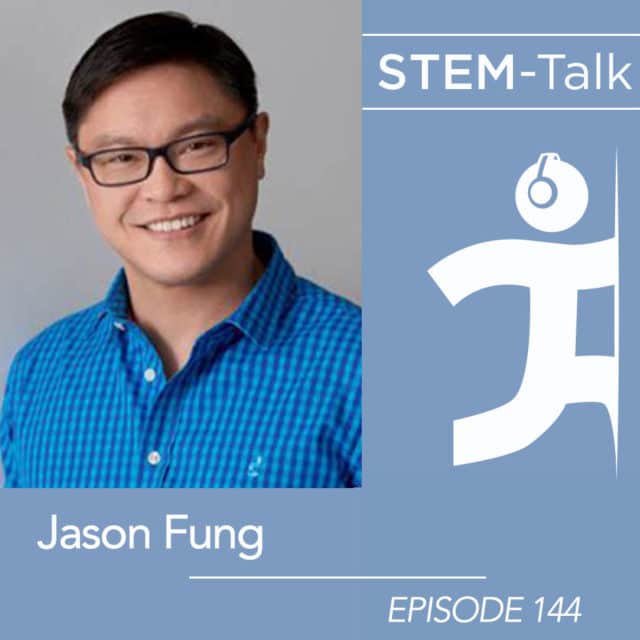
Published 11.10.22 Dr. Ken Ford is joined by guest co-host Dr. Tommy Wood for a fascinating interview with Dr. Jason Fung, the best-selling author of “The Obesity Code” and “The Complete Guide to Fasting,” on episode 144 of IHMC’s podcast STEM-Talk, which is now live and available on podcast apps and YouTube. Fung is a Toronto-based nephrologist who has gained international attention for combining a low-carb diet with intermittent fasting to help thousands of overweight patients reverse their type 2 diabetes, lose weight, and improve their metabolic health. “We mistook the symptom (high blood glucose) for the disease (type 2 diabetes) and we were treating the symptom and expecting the disease to get better and it never did,” Fung says. In addition to “The Obesity Code,” Fung is also the author of the “The Diabetes Code,” and “The Cancer Code.” In the “The Complete Guide to Fasting,” Fung and co-author Jimmy Moore look at the history and culture of fasting and how it helps people improve their metabolic health. In this interview, Ford and Wood delve into: How in the beginning of his practice, Jason prescribed insulin for type 2 diabetes patients. Jason’s realization that type 2 diabetes is largely… Read More
STEM-Talk: “Why We Get Sick” author Ben Bikman on insulin resistance and metabolic health
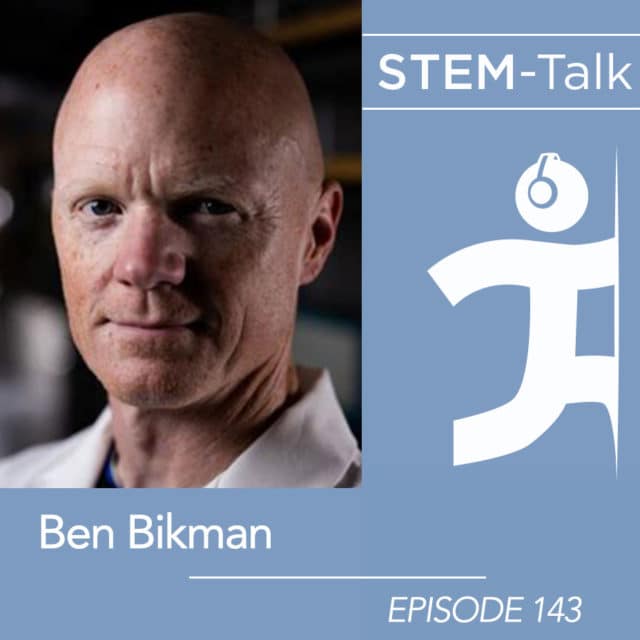
Published 10.13.22 The STEM-Talk interview with the author of “Why We Get Sick” is now available on podcast apps and IHMC’s website. Dr. Ben Bikman is a biomedical scientist at Brigham Young University who is known for his research into the role of insulin and ketones as key drivers of metabolic function. In “Why We Get Sick,” Bikman takes a deep dive into insulin resistance and metabolic health. In his STEM-Talk interview, Bikman discusses his books as well as his extensive research that links many of today’s major diseases, including cancer, diabetes, and Alzheimer’s disease, to insulin resistance. STEM-Talk cohosts Drs. Ken Ford and Dawn Kernagis talk with Bikman about how around the world people are struggling with diseases that were once considered rare. Today, cancer, heart disease, Alzheimer’s disease, and diabetes affect millions each year. A growing number of people in the U.S. are struggling with hypertension, obesity, fatty liver, dementia, low testosterone, menstrual irregularities, and infertility as well as a host of other disorders. Bikman identifies insulin resistance as one of the root causes behind all of these. Ben and his colleagues at the Bikman Lab investigate the molecular mechanisms behind the increased risks of disease that accompany obesity… Read More
Video shows progress of IHMC humanoid robot Nadia
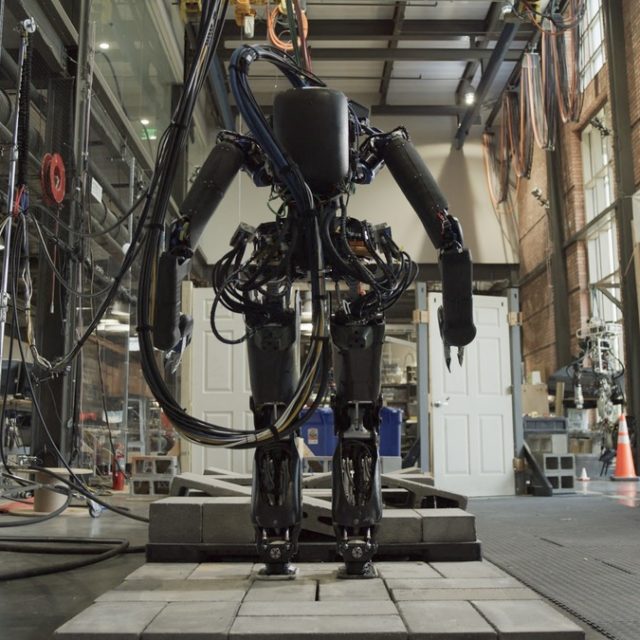
Published 10.5.22 The IHMC Robotics team has unveiled a video of the first humanoid robot built in-house in nearly 10 years. Working with Boardwalk Robotics, the IHMC team has designed Nadia as the next generation of humanoid robots the team has created. The Nadia project aims to develop highly mobile ground robots that can function in indoor and urban environments where stairs, ladders, and debris require robots to have mobility and manipulation dexterity nearing that of a human. The applications of this design could be particularly useful in explosive ordinance disposal, nuclear remediation, disaster response, firefighting, and other scenarios that might be dangerous for humans. Nadia’s development is supported by several sources, including the Office of Naval Research (ONR), Army Research Laboratory (ARL), NASA Johnson Space Center, and TARDEC. In the summer of 2022, IHMC received a grant totaling $3 million from ONR to continue work on the project. Research Scientist Dr. Robert Griffin notes that Nadia’s range of motion and power density are significant improvements over humanoids IHMC has worked with previously. Key elements of this version of Nadia are the joint designs, which feature mechanisms that aim at achieving near human-level ranges of motion in the hips and knees,… Read More
IHMC’s Ken Ford leads ketosis session at Targeting Metabesity Conference 2022
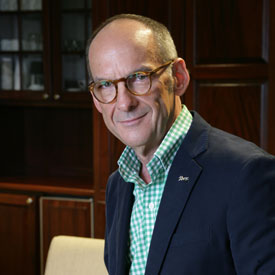
Published 9.26.22 IHMC’s founder and CEO Dr. Ken Ford will be one of more than 70 speakers at a virtual conference on Targeting Metabesity. Also speaking at the conference is Dr. Morley Stone, the former Chief Technology Officer for the Air Force Research Laboratory (AFRL) and former Senior Vice President for Research at Ohio State University, who is now IHMC’s Chief Strategic Partnership Officer. At the Oct. 10 to 13 conference, Ford will moderate a session on emerging research related to endogenous and exogenous ketosis in health and disease as well as the role of ketones in mild traumatic brain injury and the prevention and treatment of cancer. His session begins at 1:15 p.m. (EDT) on Oct. 12. The conference will feature experts talking about the growing evidence that the major chronic diseases of the day share common metabolic roots and as a result may also share common solutions. The conference features many former guests on STEM-Talk, the IHMC podcast that Ford co-hosts with Dr. Dawn Kernagis. STEM-Talk listeners are being offered free admission to the conference. Follow this link where you will find instructions on how to receive a code for complimentary tickets. Former STEM-Talk guests who are participating… Read More
STEM-Talk: Vyvyanne Loh on “TOFI”, metabolic diseases, and weight management
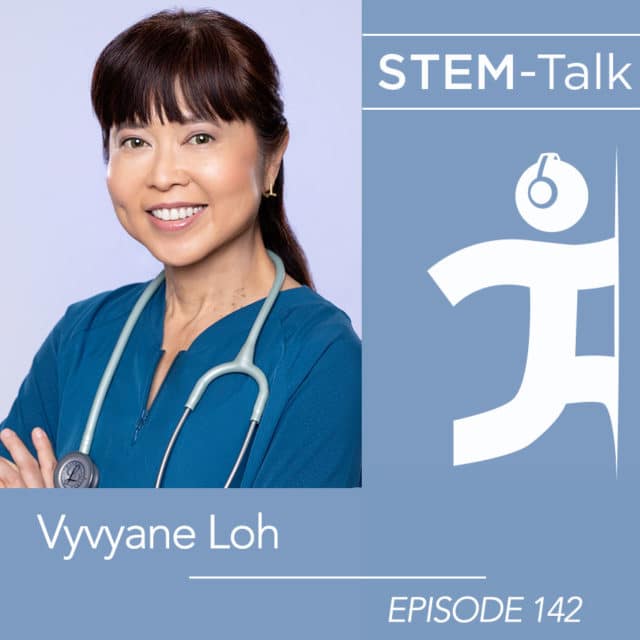
Published 9.22.22 Metabolic disease may be the greatest epidemic we face. Dr. Vyvyanne Loh has built her medical practice around dealing with it. She is the founder and leader of Transform Alliance for Health, a Boston preventive-care practice that specializes in weight management and the treatment of chronic metabolic diseases such as diabetes, hypertension and dyslipidemia Loh is a board-certified physician in obesity and internal medicine. She joins us on the latest episode of STEM-Talk, where the conversation includes the concept of TOFI — Thin Outside, Fat Inside. “Most people assume my patients could be identified visually in terms of their obesity, but it turns out that a good number of my patients have this phenotype of looking thin, but they still have a metabolic problem in the sense that they have dysfunctional fat in their bodies.” At play in this scenario is abdominal, or visceral fat, which is linked to a wide range of metabolic disorders. Loh also explains how there’s a clearcut association between obesity and decreased brain volume that rarely gets discussed. In her Boston-based practice, she and her staff have had success helping people lose 50 pounds or more and getting them off their many medications…. Read More
2022 Evening Lecture series speakers announced
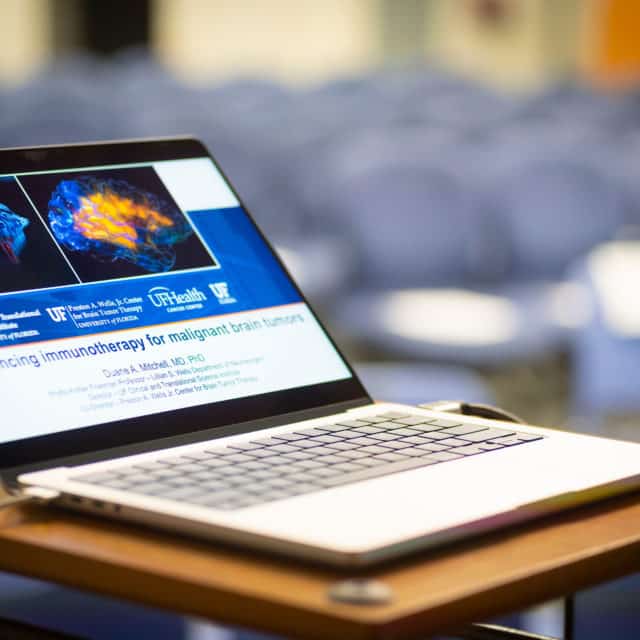
Published 9.2.22 The award winning IHMC Evening Lecture Series provides a community forum where individuals gather to hear engaging and enlightening conversation. Speakers present an ongoing series of fascinating lectures on meaningful topics in subject areas including science and technology, civic leadership, and urban planning. “The Evening Lecture Series has long been an important part of IHMC’s outreach to the community at large,” said Dr. Ken Ford, IHMC’s co-founder and CEO. “The Fall slate of speakers is an impressive mix of topics and subject matter areas. We do hope that the community will join us to hear these fascinating experts share their wisdom.” The series begins Sept. 22 in Pensacola and ends for the fall on Dec. 13. Lectures are free and open to the public, but registration is suggested. Visit https://www.ihmc.us/life/evening_lectures/pensacola-lecture-series/ to register and learn more. The 2022 Fall Evening Lecture Series will feature the following speakers: Sept. 22 – Dr. Daniel Pardi Pardi’s work looks to create major structural changes to better address lifestyle health in society. This work includes creating new academic tracks, new professional positions in society, new forms of research trials, and major foundational changes to health education. He is currently co-authoring a book with… Read More