

Evening Lectures focus on human performance, work culture and much more

Published: 9.3.24 The Evening Lecture series for Fall 2024 at Florida Institute for Human and Machine Cognition (IHMC) features a heavy focus on human performance, workplace culture and related topics. The sessions begin in Pensacola on Sept. 19, 2024, with Sarah Robb O’Hagan, the chief executive officer of EXOS, a coaching company focused on human performance utilizing a team of fitness specialists, performance coaches, physical therapists, dietitians, and psychologists to maximize team performance. She led the reinvention and turnaround of Gatorade as its global president, the digital transformation of Equinox Fitness Clubs as its President and the transformation of Flywheel Sports to a streaming content business as its CEO. She has held leadership positions at Nike and Virgin and is the author and founder of ExtremeYOU, a book and content platform. Other Pensacola speakers include: Oct. 17: Susan Paley, a CEO, founder, investor, and advisor who is focused on the intersection of entertainment, health and human performance. For more than 20 years she has worked with companies to set their strategic course, build their product roadmap, and guide sales and marketing. Throughout her career she has worked at the edges of new technology to see how it can be commercialized… Read More
Science Saturdays schedule for Fall 2024 released
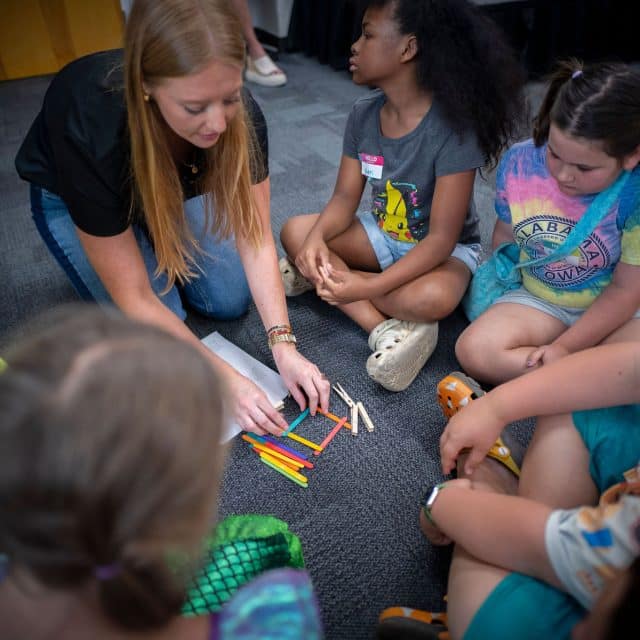
Published 8.22.24 Science Saturdays are back and ready to turn on new scientific minds this school year. These 90-minute educational enrichment sessions are a cornerstone piece of community outreach at Florida Institute for Human and Machine Cognition (IHMC). Topics in 2024 will include 3D printing, bottle rockets, secret codes, and more. The sessions are free to the families who attend, thanks to the support of community partners. For more than 17 years now, Science Saturday has inspired students in grades 3-7 in both Pensacola and on the Institute’s Ocala campus. In the 2023-2024 school year, more than 300 students attended the series, said Dr. Ursula Schwuttke, director of educational outreach for IHMC. “Science Saturdays is so close to IHMC’s heart,” Schwuttke said. “It is one of our original outreach efforts and reflects the commitment we all feel to giving students of all ages and backgrounds the chance to fall in love with science and technology. We cannot wait to get started.” Save these dates and visit this site for the latest: https://www.ihmc.us/life/science_saturdays/ Pensacola dates: Sept. 21: Ozobots Programming, Heath Parr, Brown-Barge Middle School. Oct. 26: Robot Hands, Dr. Gwen Bryan, IHMC. Nov. 23 3-D Printing, Nicole Esposito, IHMC. Dec. 14 Bottle… Read More
STEM-Talk: Ken takes listeners questions for an Ask Me Anything episode
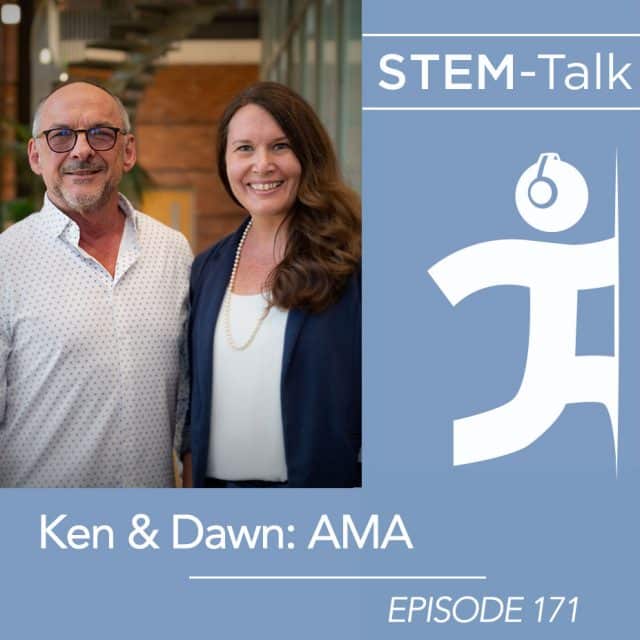
Published 8.9.24 Is AI at its peak or is it just getting warmed up? That’s just one of the questions Dr. Ken Ford, IHMC’s CEO and Founder weighs in on in this “Ask Me Anything” episode of STEM-Talk available now wherever you listen to podcasts. In this episode, Ken, who is Fellow of the Association for the Advancement of Artificial Intelligence, shares his thoughts on AI given the recent developments in the field, particular in the realm of Generative AI, with programs like Chat GPT becoming a household name in the last year. “(Large Language Models) as they have been developed can be thought of as memorization machines. When you think of them in this way, scale is everything from this perspective,” Ken says. “I would argue that intelligence is more than memory and recall. Artificial General Intelligence (AGI) may now be the goal, thinking as a human would. But much of the advance that we have seen in recent years is due to scale increasing, not really due to algorithmic advances.” Listeners will also learn in this episode which science-fiction author is Ken’s favorite — and which quote from this person he still inspires him. Other queries in this… Read More
Air Force Academy’s Cadet Summer Research Program interns find home at IHMC
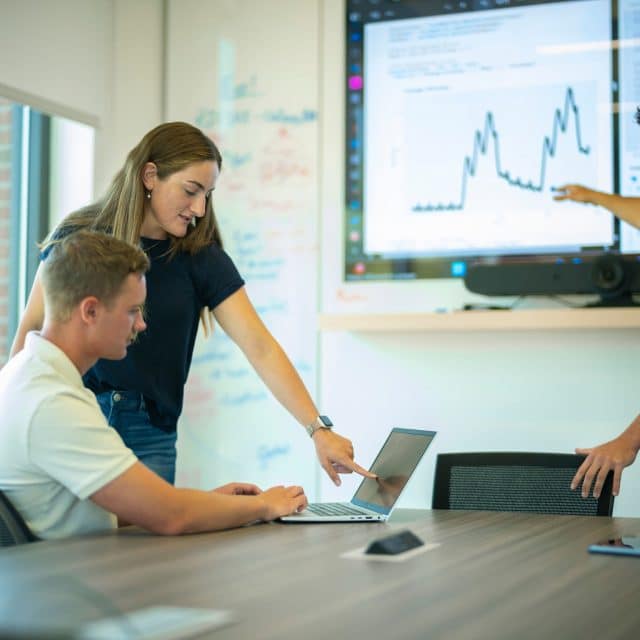
Published 7.26.24 Students have long had a home at the Florida Institute for Human and Machine Cognition. This summer’s student collaborators included cadets from the U.S. Air Force Academy participating in the Cadet Summer Research Program. This program offers opportunities for cadets to get out of the classroom and experience real-world research and development that align with their majors, interests, and potentially their career fields. Senior Research Scientist Dr. Kevin Gluck, who worked with the students, says that although they won’t all pursue science or engineering in the Air Force, it is certain research and development will play a role in all their careers. “Their experiences at IHMC this summer established a foundation they will build on in their senior capstone project, and they will carry those lessons about rigorous scientific processes and advanced methodologies forward with them as new officers and emerging leaders within the Air Force,” Gluck says. All the cadets are majoring in Systems Engineering with a Human Factors focus. They are working on a project funded by a three-year grant from the Air Force Office of Scientific Research whose goal is to improve scientific understanding of the biological, physiological, and cognitive variations in people in response to… Read More
STEM-Talk: Charles Serhan, expert on specialized pro-resolving mediators, talks inflammation
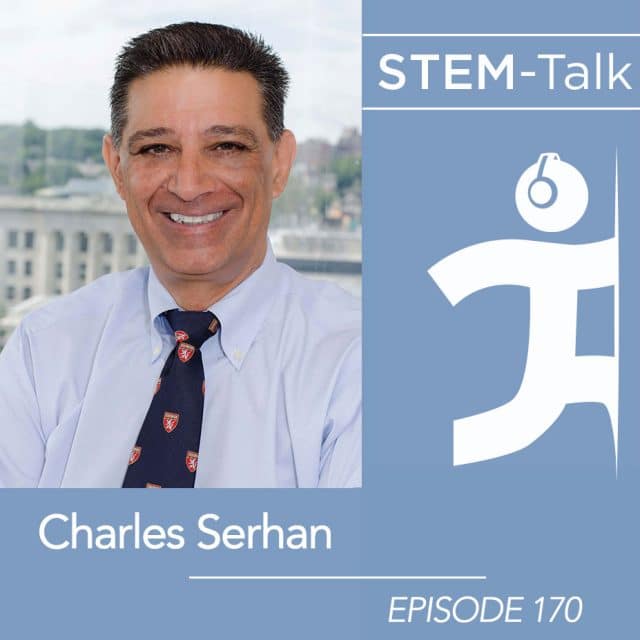
Published 7.22.24 For Dr. Charles Serhan, music was one of the keys that unlocked his love of science. Serhan counts among his many talents, being an accomplished vibraphone player. “Many things I learned in music translated to science,” Serhan said. “If you really wanted to play well, you had to study and practice. It’s like learning a language. In science the same is true. You need to learn the language and study and practice every day.” Why does he love science? “The rigor and objectivity and the ability to test hypothesis an experiment,” he says. “Nothing is more fun than that.” Serhan is our guest on the latest episode of STEM-Talk, available now. He is a Harvard professor who discovered specialized pro-resolving mediators, also known as SPMs, which help promote the natural end of the inflammation process and allow a person to avoid anti-inflammatory drugs. Inflammation is believed to be a contributing factor to metabolic and chronic diseases across a wide spectrum including diabetes, cardiovascular disease, Alzheimer’s disease, asthma, arthritis, and more. Understanding its roots — and the role that SPMs play in switching off the process — is considered a key component to improving healthspan and resilience. This edition of… Read More
IHMC partners with California-based research institute to take aim at the psychology of cyberattackers
Published 7.2.24 The battle against cyberattackers has often felt like an uphill slog. The Florida Institute for Human and Machine Cognition (IHMC) is part of a team looking to turn that tide. This spring, IHMC partnered with California-based nonprofit research institute SRI to take aim at the psychology of cyberattackers to better defend against their efforts. The project is funded by Intelligence Advanced Research Projects Activity (IARPA) — the research and development arm of the Office of the Director of National Intelligence — which launched it in February 2024. DNI refers to the project as Reimagining Security with Cyberpsychology-Informed Network Defenses (ReSCIND) SRI is one of five organizations IARPA has contracted with for the effort. As part of SRI’s team, IHMC is involved in all aspects of the research, but its unique contribution is the human subjects research expertise Senior Research Scientist Dr. Anil Raj and Research Scientist Dr. Brodie Mather and their IHMC team bring to the project. The goal is to use psychology-informed defenses to understand cognitive vulnerabilities of an attacker individually and tailor the defenses to the vulnerabilities of that attacker. “The ultimate goal of the program is reclaim agency in the battle against cyber attacks,” Mather… Read More
STEM-Talk: Dave Feldman on the Citizen Science Foundation, ketogenic diet research
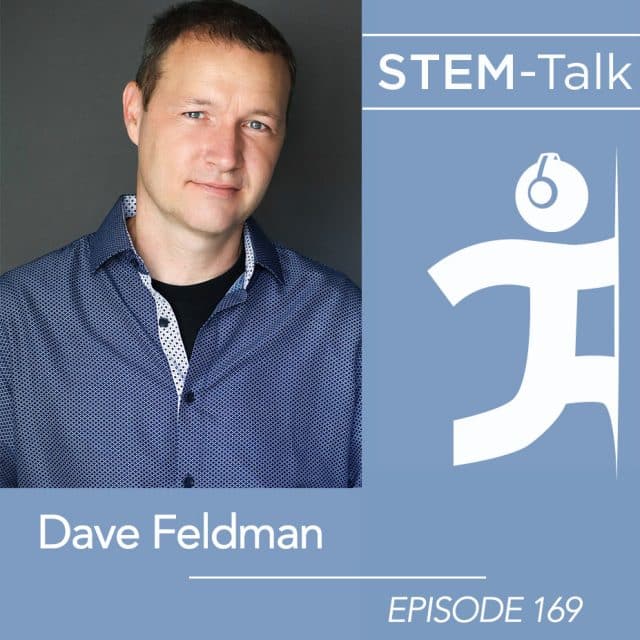
Published 6.21.24 How did the son of two Bohemian graphic designers become a citizen science advocate who built his knowledge to turn his own health around? It’s a journey worth listening to, and in this episode of STEM-Talk, Dave Feldman shares that story. The episode is available now wherever you listen to podcasts. Feldman is the founder of the Citizen Science Foundation and is known for his research into the ketogenic diet. Dave is a software engineer by training who embraced a ketogenic diet to avoid his progression toward type 2 diabetes. After undertaking the high-fat/low-carbohydrate diet, Dave’ LDL cholesterol spiked. Dave’s experience as an engineer provided an unusual conceptual framework as he immersed himself in learning everything he could about cholesterol and lipids. What he learned led him to create the website Cholesterol Code, a research hub for information and emerging data on cholesterol, particularly in the context of a low-carbohydrate lifestyle. The Citizen Science Foundation is designed to support projects and research that promote collaborative efforts across multiple disciplines, both in and outside formal scientific institutions. The conversation covers a lot of ground, including: How self-directed learning became a theme of Dave’s life, beginning in his youth in… Read More
New biomedical research complex opens IHMC’s next chapter
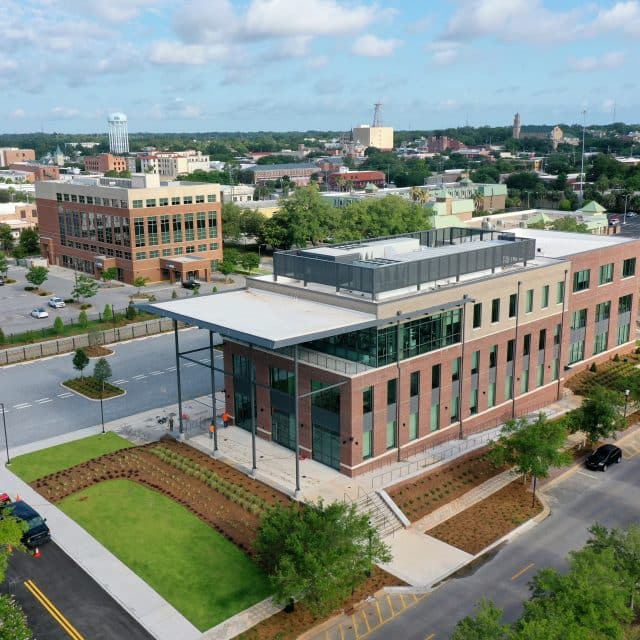
Published 6.11.24 The new $40 million biomedical research complex constructed by the Florida Institute for Human and Machine Cognition (IHMC) will be more than a striking addition to the Pensacola skyline. It will be an accelerant for the pace of discovery that will drive innovations in maximizing the healthspan for everyone from elite military operators and veterans to those with neurodegenerative diseases, musculoskeletal problems, and chronic metabolic conditions. The Healthspan, Resilience and Performance Research Complex is another step in the evolution of the vision that has been the bedrock of IHMC since its founding by Dr. Ken Ford, the Institute’s Chief Executive Officer. “Pushing the boundaries of science to maximize the performance and resilience of human beings has long been a foundational tenet at IHMC,” Ford says. “In our healthspan, resilience and performance research thrust, the vision has always been to work from the molecular level to the whole human. This facility brings that to life.” Dr. Morley Stone, Chief Strategic Partnership Officer, notes that the leading-edge research complex gives IHMC’s interdisciplinary team of researchers the ability to truly realize that vision. “The healthcare system as it is set up now puts people on a trajectory to decline over decades,”… Read More
Triumph Gulf Coast funding will help bolster research capabilities at Pensacola campus
Published 5.30.24 An investment of $7.8 million from Triumph Gulf Coast will allow IHMC to bolster its research capabilities with a facility designed to handle sensitive federal research in support of Department of Defense and intelligence community customers. The grant to the Florida Institute for Human and Machine Cognition was approved by Triumph’s board of directors in December 2023. Previous Triumph funding helped seed the $40 million Healthspan, Resilience, and Performance (HRP) research complex now under construction. The story is featured in the latest edition of IHMC’s newsletter, which is available now. The award includes funding to construct a highly flexible, multilevel secure facility. The addition of secure capabilities will bolster the institute’s ability to meet federal grant and contract security requirements. Dr. Morley Stone, IHMC’s Chief Strategic Partnership Officer, says such a facility allows the Institute “to work at a deeper level with key research sponsors and better address their needs.” Absent the facility, Stone said, travel is required for discussions with some defense-related research sponsors. “Having those discussions locally, and by having the sponsor interact with our researchers and see our facilities, that often leads to more sponsored work.” David Bear, chairman of the Triumph Board of Directors,… Read More
IHMC Robert Griffin represents the America on IEEE Technical Committee
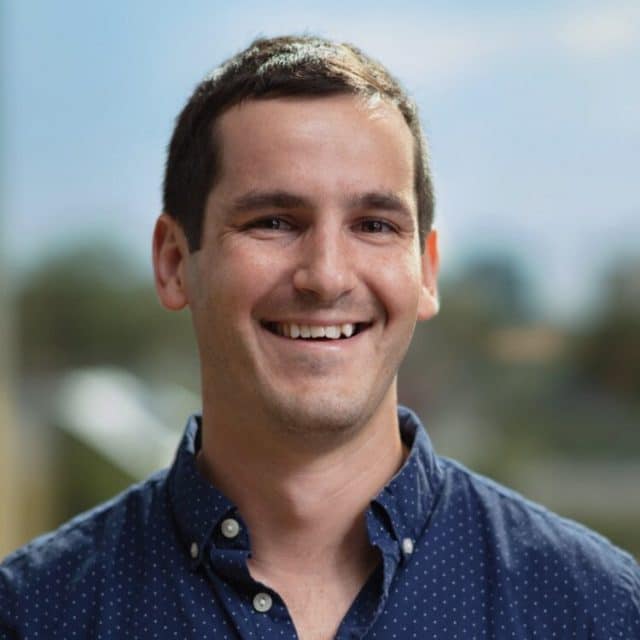
Published 5.23.24 Dr. Robert Griffin has been named co-chairman of the IEEE Robotics and Automation Society Technical Committee on Humanoid Robots, representing the Americas. The Institute of Electrical and Electronics Engineers (IEEE) is the premier professional organization in the field. Griffin’s selection to co-chair the technical committee reflects the high regard for his work and for IHMC’s leadership in the field of humanoid robotics. “IHMC has been a pioneer in the field of humanoid robotics. Robert’s selection to the IEEE RAS Technical Committee is a much-deserved accolade for him and for the team at IHMC,” said Dr. Ken Ford, IHMC’s founder and chief executive officer. The Society’s Technical Committee, among other things, leads the annual Conference on Humanoid Robots, the leading international event of the humanoid robotics community. Last year, the conference was hosted in Austin, Texas. Previous locations have included Okinawa, Japan, and Munich, Germany. The IEEE-RAS includes the flagship conferences of the robotics field, International Conference on Intelligent Robots and Systems (IROS) and International Conference on Robotics and Automation (ICRA), each of which see more than 5,000 attendees annually. The robotics team at IHMC has often been lauded at the conference for their work. In 2016, 2019, and… Read More
STEM-Talk: Alessio Fasano on the roots of, treatments for celiac disease
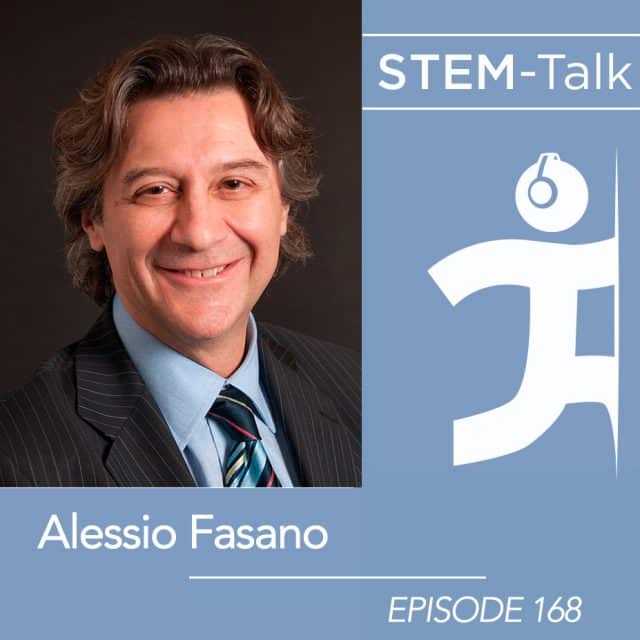
Published 5.22.24 Dr. Alessio Fasano, who is considered the world’s leading expert in celiac disease and gluten-related disorders, returns for his second appearance on STEM-Talk. The interview is available now where you listen to podcasts. As he tells co-hosts Dr. Ken Ford and Dr. Marcas Bamman, he went to medical school with the idea of changing the world. And pediatrics, for him, was a love-at-first-sight way to accomplish this lofty goal. “I realized from the very beginning in medical school that dealing with kids was going to be more fun and interesting,” Fasano says. When it came time to choose a mentor, he chose someone who had come back from the University of Chicago, where he’d studied diarrheal diseases. “I thought that was unglamorous. I wanted to save the world and study cancer or HIV. He educated me. He said that every year 5 million kids would die of diarrheal disease, so if I wanted to do something impactful, I should focus on that.” Ever since, Fasano has been doing work that could have a profound impact of the health and well-being of people. He is director of the Mucosal Immunology and Biology Research Center at Massachusetts General Hospital. In… Read More
IHMC hosts the IGNITE event for the NATO Innovation Continuum
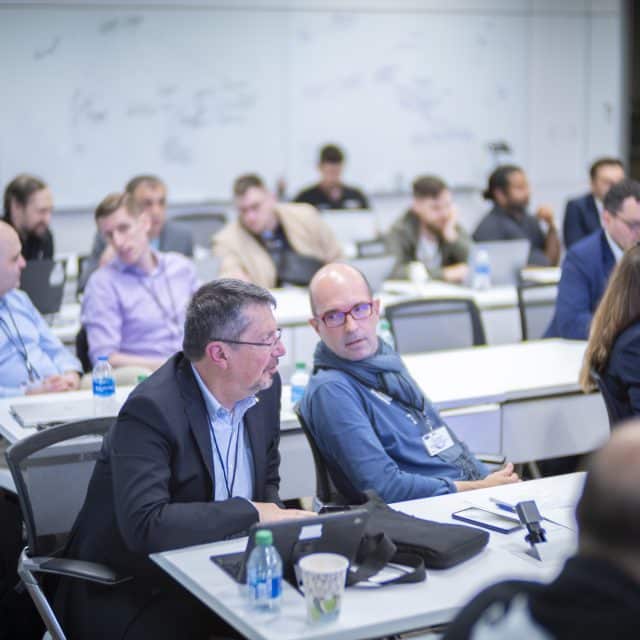
Published 5.21.24 Recently, IHMC hosted an international group of experts tasked with innovation and experimentation in the capabilities for members of the North Atlantic Treaty Organization (NATO). In February 2024, NATO’s Allied Command Transformation launched the Innovation Continuum 2024 series with an event in La Spezia, Italy. From that first event, named Spark, came an initial list of operational scenarios and possible technical solutions to be explored further. The Ignite event was the second event in the series. Senior Research Scientist and Associate Director Dr. Niranjan Suri was the host of the Ignite event. Throughout his career, Suri’s research has focused on networking, communications, distributed systems, information management, interoperability, the Internet of Things, and the application of machine learning to all of these domains. “It was a pleasure to host NATO Allied Command Transformation, NATO Communications and Information Agency, NATO Center for Maritime Research and Experimentation, many national representatives, as well as many prominent companies, including IBM, Microsoft, and Amazon Web Services, here in Pensacola,” Suri said. “We spent four days planning for the experimentation that will take place in the fall.” Since 2014, Suri has co-chaired a NATO coalition of experts and thought leaders looking at military domains with… Read More
IHMC researcher using cognitive science, novel language understanding methods to harness AI’s power
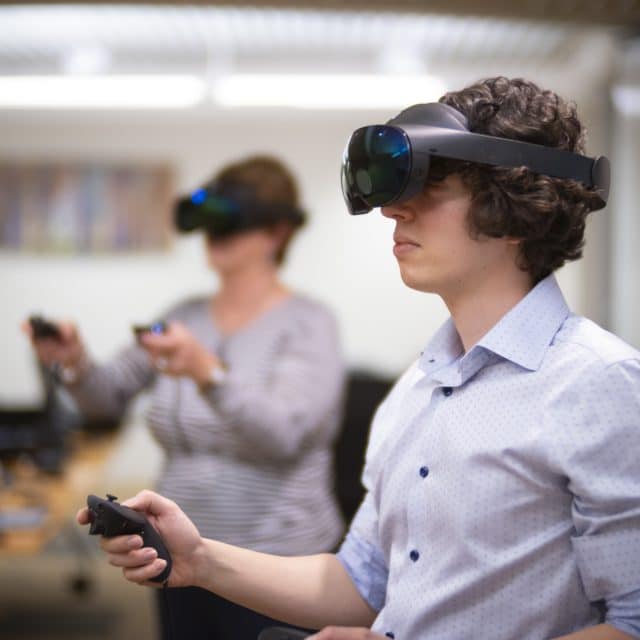
Published 5.16.24 Dr. Ian Perera started his research career by exploring the question of whether computers could become more intelligent and helpful assistants by learning the way children do. If the IHMC Research Scientist can make it work, the implications could be wide-ranging and substantial. Since joining IHMC in 2013, Perera has worked on numerous military and government projects using novel language understanding methods and cognitive science on problems from de-escalating heated social media conversations to improving trust between human and AI team members and more. His work is featured in the latest edition of the IHMC newsletter, available now. The popular culture’s focus on headlines claiming AI can perform complicated tasks and will soon replace our workforce misses something critical, Perera says. “This technology is uncritically learning associations between words and concepts, and mimicking behaviors of people online that isn’t always grounded in reality,” Perera says. While there is some similarity to the powerful associative learning connections that children use when they encounter something new, imbuing AI with a more critical and exploratory approach could lead to a powerful capability with a transformative influence on human decision-making. It could benefit warfighters in the heat of battle, cool the overheated… Read More
STEM-Talk: Nick Norwitz on a keotogenic diet as metabolic medicine
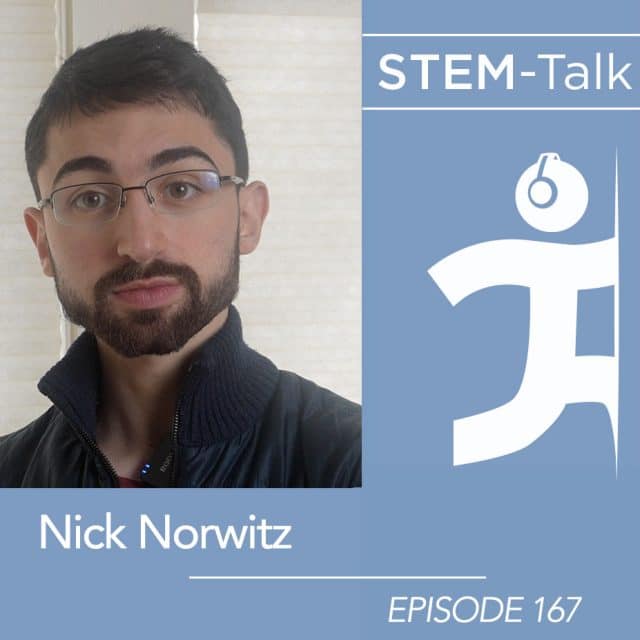
Published 5.2.24 It may have been a given that Nick Norwitz would become a doctor – he is the child of physicians. “It was in some ways the default path,” Norwitz says. “Everything I’ve done in science and medicine has just been an absolute pleasure.” In the latest episode of STEM-Talk, available now where you listen to podcasts, Norwitz shares how what may have seemed to be an inevitable journey has evolved — and how it led him into research aimed at unlocking the potential of a ketogenic diet to improve metabolic health, mental health, and more. It is a search that he began in part when his own injuries from running led him ultimately to more serious consideration of metabolic health. Norwitz is an Oxford Ph.D., and a Harvard Medical School student who has drawn a following in part from his work with “lean mass hyper responders,” people who have high LDL cholesterol levels while on a ketogenic diet who are otherwise metabolically healthy. The conversation includes: The impact that his own medical journey as a young man had on his path and on his belief that we must incorporate metabolic health in our healthcare system. Nick’s “Oreos vs. Statins”… Read More
Robotics Open House inspired students to imagine themselves in STEM fields
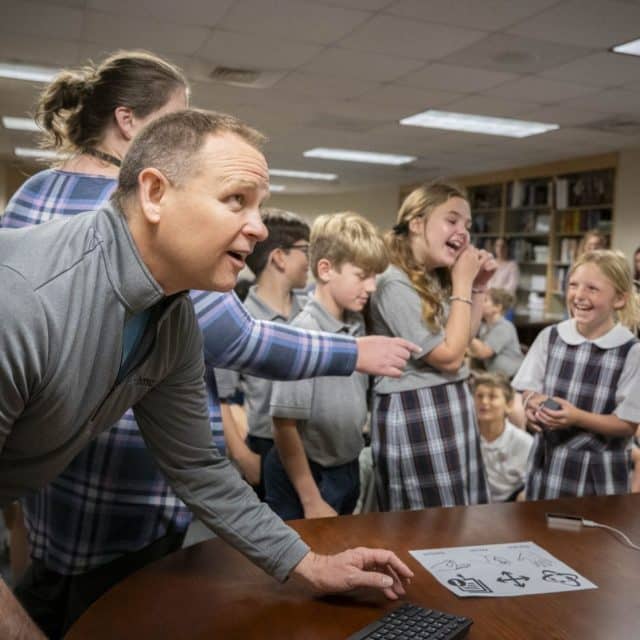
Published 4.25.24 As a middle school teacher, Jen Reichwage believes that when it comes to the possibility of a career in science, for her students, seeing is believing. “Students must be exposed to STEM-related professions,” she said. “If students cannot see what it means to be in (Science Technology Engineering and Math), they will likely not see themselves in a STEM field and not pursue one.” That is why Reichwage led a field trip of her students to the April Open House at the Florida Institute for Human and Machine Cognition (IHMC). The event drew hundreds of people, including Reichwage’s students from Creative Learning Academy, as staff welcomed families, students, and the public for tours, walk-throughs, and inspiration on the Pensacola campus on South Alcaniz Street. The family-friendly event encourages scientific discovery through hands-on activities, challenges, and demonstrations while providing the opportunity to learn. Visitors met IHMC researchers and saw first-hand their work in drones, robotics, virtual reality experiences, human performance research projects, data visualization, and more. The story is featured in the latest edition of the IHMC newsletter, available now. Debbie Garland was another teacher who led a field trip to Open House, which coincides with National Robotics Week. Garland’s… Read More
Intelligent cognitive assistant leveraging NLP to support those with dementia

Published 4.25.24 Researchers at the Florida Institute for Human and Machine Cognition are combining technology and healthcare to develop an application that uses natural language processing (NLP) to help dementia patients in real time with vocabulary recall. Dr. Archna Bhatia, leading the project team, is focused on harnessing NLP to help seniors with Alzheimer’s Disease and related dementias retrieve words in the course of daily life. The effort is being supported by funding from the Massachusetts AI and Technology Center, a member of the a2Collective, which represents the Artificial Intelligence and Technology Collaboratories for Aging Research (AITC). The AITC program is funded by the National Institute on Aging (NIA), part of the National Institutes of Health. The project’s goal is to develop an assistant that learns from the user and builds a personalized database utilizing natural language processing that can help users in real time by retrieving difficult words, and ultimately could identify the areas of memory where a person is having more difficulty. It could then provide feedback to strengthen the connections in areas where they are weaker. The IHMC team working on the app development includes Dr. Bhatia, Dr. Peter Pirolli, Roger Carff and William de Beaumont, and collaborates with esteemed… Read More
STEM-Talk: Dr. Vyvyane Loh on atherosclerotic heart disease
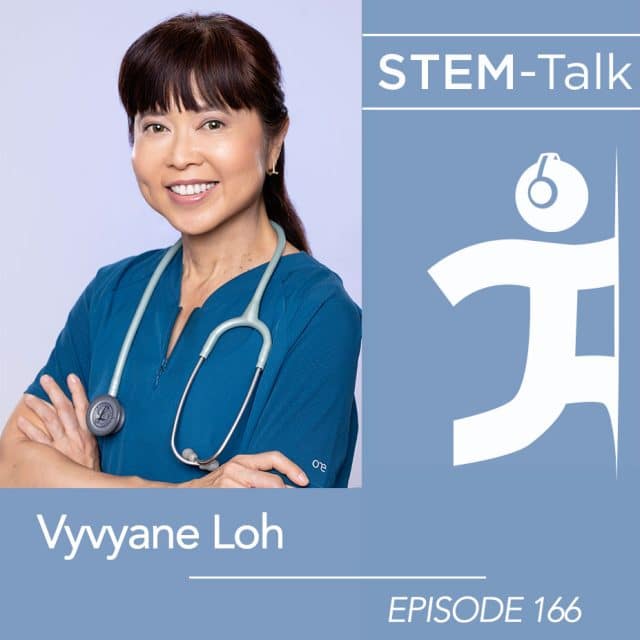
Published 4.12.24 Atherosclerotic heart disease (ASCVD) affects some 26 million people in the U.S., and annually leads 2 million hospitalizations and more than 400,000 deaths. In this episode of STEM-Talk, Dr. Vyvyane Loh returns for her second appearance for a conversation about this disease. The episode is available now wherever you listen to podcasts. Loh is a board-certified physician in obesity and internal medicine who spoke with us last time about her Boston-based preventative-care practice that specializes in weight management and the treatment of chronic metabolic diseases such as diabetes, hypertension and dyslipidemia. In Episode 166, Vyvyane and host Dr. Ken Ford talk about ASCVD and the gap between clinical treatment and the advances in biological science research about risk factors, including updates to the anatomical aspects of the disease model itself. “We’re focused on cholesterol because that’s what statins target,” Loh says. “The idea has been… this is the main way to prevent atherosclerotic disease. We’ve seen that hasn’t really been that effective.” The substantial variability in individual response to statin therapy is just one component of this discussion. Loh notes that more attention should be paid to glycocalyces, a border that line every cell, including those of blood… Read More
STEM-Talk: Dr. John Edwards on ketamine treatment for depression and suicide prevention
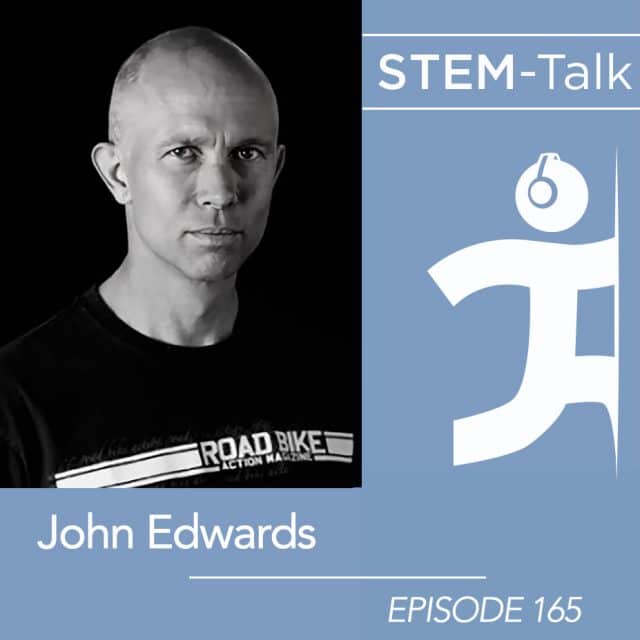
Published 3.15.24 Dr. Johnathan Edwards, an anesthesiologist, joins STEM-Talk for a frank conversation about the problem that suicide presents in American life, and the role ketamine could have in countering that. Episode 165, featuring Edwards, is available now on IHMC’s website and other podcast platforms. Ketamine was developed in 1960s in the search for an anesthetic that did not cause post-operative delirium. It became the most used anesthetic in the world. In the 1990s, researchers found that in low doses it had a huge effect on eating-disorder patients. It was tried in treatment-resistant depression patients, then in the prevention of suicidal ideation. While ketamine has been found to be safe in therapeutic settings, a dark side of it is the way it has become adopted as a drug of abuse. Our conversation with Edwards also covers the benefits that psychedelics — including ketamine and MDMA — show in treatment of depression, suicidal ideation, post-traumatic stress disorder and more. “MDMA could be the drug of choice for treatment of PTSD,” given its effectiveness in relieving the symptoms of PTSD, Edwards said. Ketamine is similarly effective in relieving the depression. The conversation also includes: The potential adverse effects of ketamine, especially in light of… Read More
Register now for IHMC Summer Robotics Camp 2024 sessions
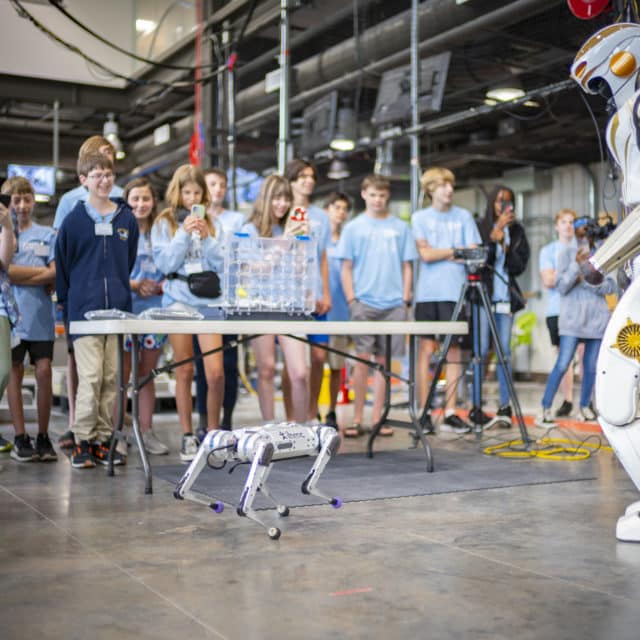
Published 3.1.24 It’s time to register for IHMC Summer Robotics Camp. For the student who loves robots and programming — and the student who is curious about it but has never gotten the chance to develop STEM skills in these fields — Robotics Camp is one of IHMC’s signature community outreach efforts. Registration opens March 1 for Pensacola sessions in June 2024. Camp is in two sessions: June 17-20 for rising eighth graders; and June 24-27 for rising ninth and 10th graders. Visit https://www.ihmc.us/life/robotics-camp/ to register. “Students don’t need prior experience in programming or prior knowledge about robots to enjoy this camp,” said Dr. Ursula Schwuttke, director of educational outreach for IHMC’s Pensacola and Ocala campuses. “Students who are interested in STEM fields in general will enjoy themselves. There’s no better way to introduce these concepts to your child — while also providing them with a fun summer experience that will increase their self-confidence in STEM.” In 2023, 66 middle- and high-schoolers participated in these hands-on experiences, designing their own LEGO robots, learning the basics of coding, and increasing their problem-solving skills. “Camp allows us to reach the next generation of scientists, helping them to discover what their future might look… Read More
Peek behind the curtain at IHMC’s April 2024 Open House

Published 2.29.24 For Dr. Robert Griffin, the question isn’t why he came to Pensacola to work in the robotics lab at Florida IHMC. It’s why he stays. “I stayed because we have a phenomenal team, and we try and remove the formality from work to allow us to focus on the things to be done, and how to enjoy that process,” he said. “We also place a high value on intellectual freedom that we enjoy here. Basically, if we can convince someone to fund it, we can pursue it. That’s a tremendous opportunity.” On April 11, 2024, Griffin will be among dozens of researchers, roboticists, engineers, cognitive scientists, and human performance experts who will share what they love about IHMC during Open House for National Robotics Week. From 3 to 7 p.m., Institute for Human and Machine Cognition staff will welcome families, students, and the public for tours, walk-throughs, and inspiration on the Pensacola campus on South Alcaniz Street. The final tour begins at 6:30 p.m. The family-friendly event encourages scientific discovery through hands-on activities, challenges, and demonstrations while providing the opportunity to learn. Visitors will meet IHMC researchers and see first-hand their work in drones, robotics, virtual reality experiences,… Read More