

IHMC hosts Fredric G. Levin Lung Care Symposium March 27-28 in Pensacola
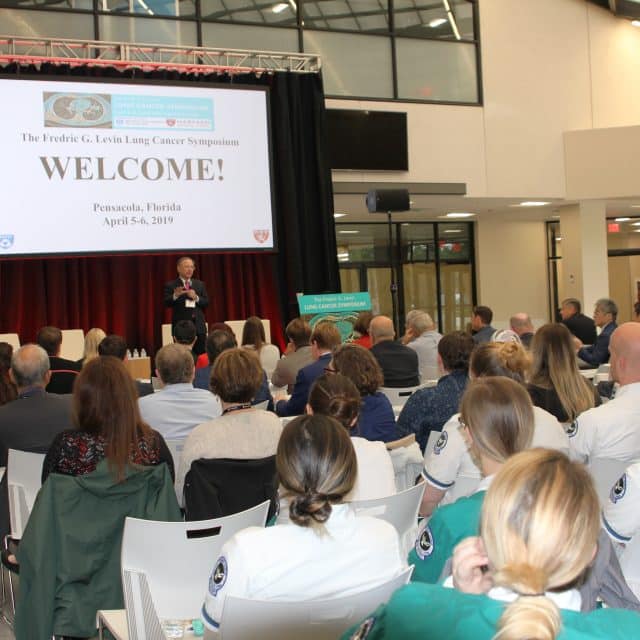
Published 3.17.25 The Fredric G. Levin Lung Care Symposium will bring to Pensacola experts in thoracic surgery, lung cancer research, and pulmonary care for a day of groundbreaking discussions and advancements in the field. Hosted on the campus of the Florida Institute for Human and Machine Cognition (IHMC), this live virtual and in-person symposium serves as a platform for physicians, researchers, and healthcare professionals to explore the latest innovations in lung cancer treatment, surgical techniques, and patient care strategies. “IHMC takes seriously our place as a home for innovation and scientific collaboration,” said Dr. Morley Stone, IHMC’s Chief Executive Officer. “Working with the team at Brigham and Women’s Hospital to host the Levin Lung Symposium is our honor.” Established through the generosity of Pensacola native Fredric G. Levin, this symposium reflects his commitment to advancing medical research and improving patient outcomes. Levin was a highly regarded plaintiff’s attorney with a national reputation whose career spanned more than 40 years. He died in 2021 of COVID after having survived stage 4 lung and brain cancer. Sessions will feature renowned faculty, emerging research, and multidisciplinary collaboration to drive progress in thoracic surgery and lung health. As a leader in lung cancer treatment and thoracic… Read More
Humanoid robotics and exoskeletons lead latest IHMC newsletter
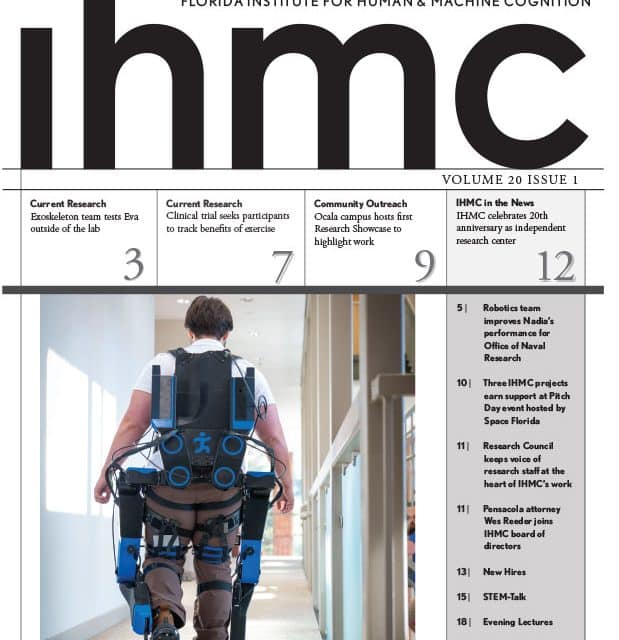
Published 3.14.25 When Jared Li was job-hunting in late 2020, he had never heard of the Florida Institute for Human and Machine Cognition (IHMC). He was helping his parents in West Lafayette, Ind., move when he looked into IHMC at the recommendation of colleagues from his alma mater, the Georgia Institute of Technology. Then he saw a 2015 video of the DARPA Robotics Challenge, an international competition in which the IHMC robotics team placed second. It seemed familiar, Li says, and then he remembered watching it in real time as a young undergraduate. “I remember just being like, oh, so this is that place,” Li says. “I got really excited about the opportunity.” He joined IHMC in April 2021 and since has served as project manager and lead engineer on multiple exoskeletons. Li was wearing the Eva exoskeleton in December 2024 for its first out-of-lab field test. You can watch the test run here. “The ability to wear it yourself, take it out into the world, and understand what the end user is going to feel is tremendously helpful for future development,” Li says. Eva is a project funded by the U.S. Department of Energy in collaboration with Georgia Tech… Read More
Celebrate Robotics Week at IHMC Open House on April 11, 2025
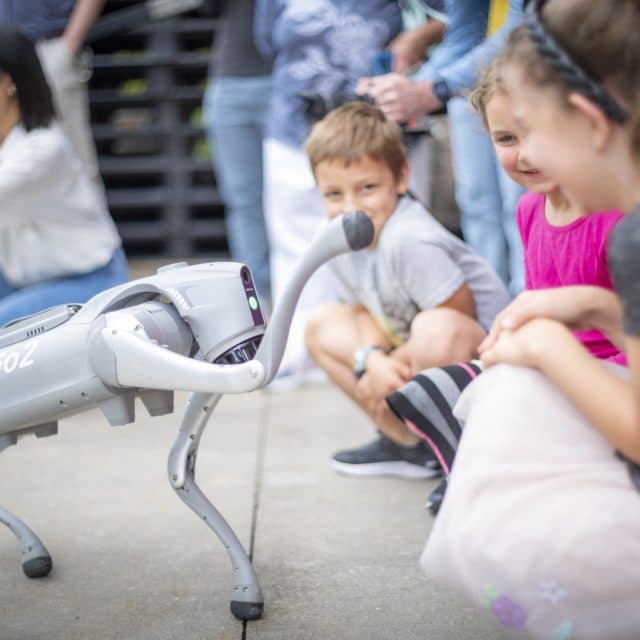
Published 3.13.25 Want to meet the human who battles the humanoid robot Nadia at ping pong and boxing? Or the researchers harnessing virtual reality and data visualization to help improve our ability to manage, synthesize, and act upon data in a slew of disciplines — from search and rescue and special warfare operations to the early detection of mild traumatic brain injuries and more. The Florida Institute for Human and Machine Cognition is where you want to be on April 11, 2025. That’s the day that dozens of researchers, roboticists, engineers, cognitive scientists, and human performance experts will share what they love about their life in science during Open House for National Robotics Week. From 4 to 7 p.m., IHMC staff will welcome families, students, and the public for tours, walk-throughs, and inspiration on the Pensacola campus on South Alcaniz Street. The final tour begins at 6:30 p.m. The family-friendly event encourages scientific discovery through hands-on activities, challenges, and demonstrations while providing the opportunity to learn. Visitors will meet IHMC researchers and see first-hand their work in drones, robotics, virtual reality experiences, human performance research projects, data visualization, and more. National Robotics Week was established by Congress in 2010 and… Read More
Registration open for 2025 Summer Robotics Camp
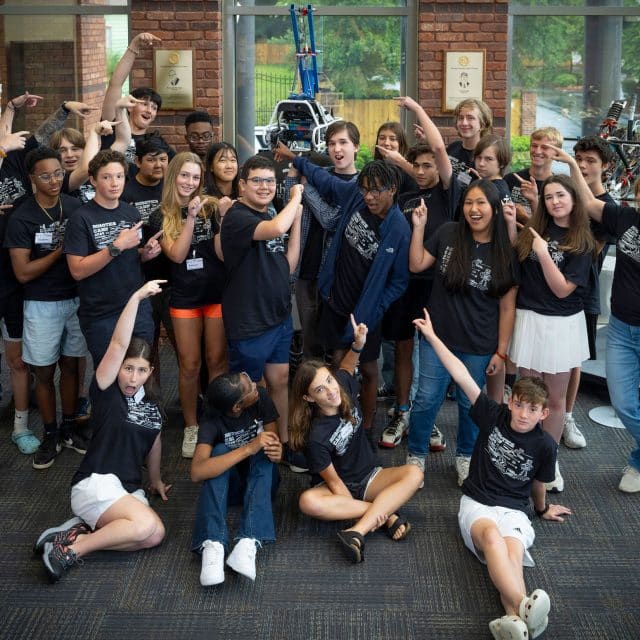
Published 3.7.25 Students learn a lot at Summer Robotics Camps at the Florida Institute for Human and Machine Cognition. But some of the most meaningful lessons aren’t limited to programming. Aryn Stinnett is a student at King Middle School who participated in camp in 2024. Her experience inspired her to consider a career that might meld her interest in agricultural science and robotics. “I would tell kids, just go for it. It’s really interactive, it’s very hands on, and you get to explore different things. Maybe you explore something you didn’t know a lot about and you learn, like I did, that you want to work in the field. Whatever you’re thinking about robotics, give it a shot. You might end up loving it like I do.” Now is the chance for students like Aryn to register for the 2025 season of Robotics Camp in Pensacola. Registration for camp in Ocala opens March 17. Students don’t need prior experience in programming or prior knowledge about robots to enjoy this camp, said Dr. Ursula Schwuttke, director of educational outreach for IHMC’s Pensacola and Ocala campuses. “There’s no better way to introduce these STEM concepts to your child.” Amaya Harper is a… Read More
STEM-Talk: JP Errico on vagus-nerve stimulation, inflammation and chronic disease management
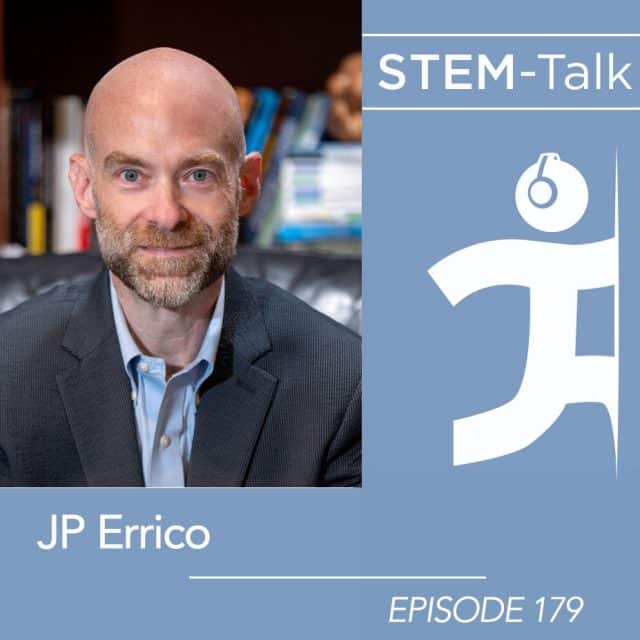
Published 3.5.25 STEM-Talk episode 179, featuring JP Errico, the author of “The Vagus Immune Connection: Harness Your Vagus Nerve to Manage Stress, Prevent Immune Dysregulation and Avoid Chronic Disease,” is now available. Errico is known for his innovative work in neuroimmunology, the study of how the nervous system and immune system interact, with a focus on transcutaneous vagus nerve stimulation. He recently joined IHMC as a Senior Research Scientist. An early breakthrough in his career came in work studying the link between vagus-nerve stimulation and asthma. He says that patients admitted to the hospital for asthma — which numbers in the hundreds of thousands annually — spend more time in the hospital than patients who undergo a full spinal fusion surgery. Errico and his colleagues tried stimulating the vagus nerve during asthma attacks on patients who were not responding to other treatments. “They’d be hunched over, struggling to breathe and all of the sudden, at one point, they would suddenly just sit back and be able to breathe normally. And they would look at you with wide eyes and say, ‘What did you do?!’ They stimulated the vagus nerve. Errico is an accomplished scientist, executive, entrepreneur, and inventor. He is the… Read More
STEM-Talk: Karl Herrup on shortcomings of Alzheimer’s research
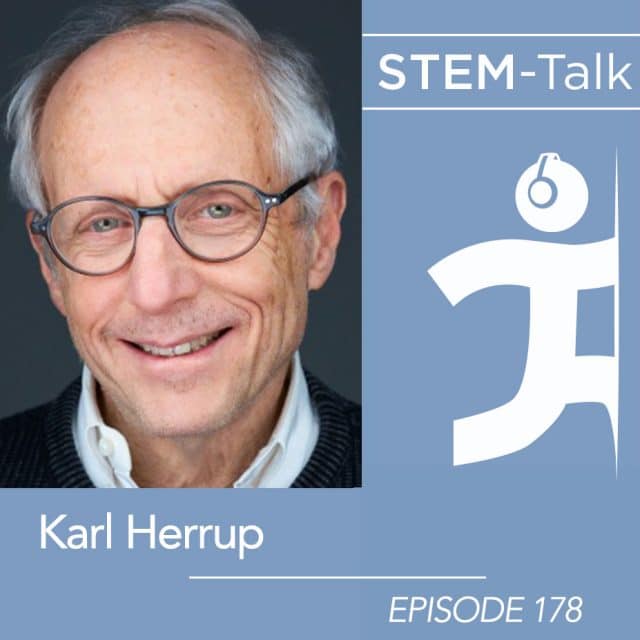
Published 2.6.25 After more than a century of research, the underlying cause of Alzheimer’s remains a mystery. Dr. Karl Herrup has made a career of trying to unravel that mystery. For decades, the leading theory has been that abnormal amyloid plaques in the brain are the central cause of the disease. On this episode of STEM-Talk — available now — Herrup shares his view that the amyloid cascade hypothesis is not only flawed but also could be holding back research for a cure. “At root, the problem stems from trying to make a complicated disease simple,” Herrup says. “At a more practical level, the problem goes back to the very first description of the disease itself by the guy whose name is on the disease.” The history of assumptions made about the disease, and the impacts those assumptions have had since is just one aspect of this fascinating conversation. Herrup is a professor of neurobiology and an investigator in the Alzheimer’s Disease Research Center at the University of Pittsburgh School of Medicine. He is also the author of How Not to Study a Disease: The Story of Alzheimer’s. In this episode we learn: How investment in science enrichment education in the wake… Read More
Pensacola attorney joins IHMC Board of Directors
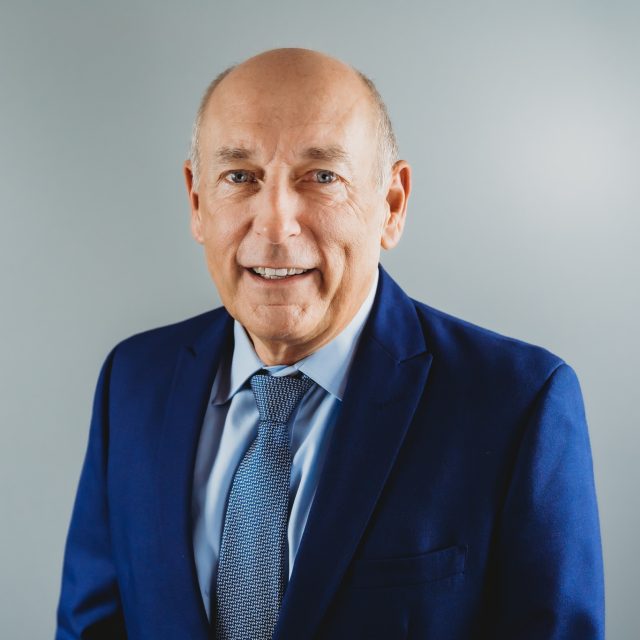
Published 1.29.25 Pensacola attorney H. Wesley “Wes” Reeder has joined the Board of Directors for the Florida Institute for Human and Machine Cognition (IHMC). Reeder is president and shareholder for Emmanuel Sheppard & Condon. Dr. Morley Stone, IHMC’s chief executive officer, said Reeder’s expertise and experience will be a great asset in continuing to move the Institute forward. “IHMC is very fortunate to have Wes join our board of directors,” Stone says. “His personal and professional experience — from his U.S. Navy service to his legal career — will be an incredibly valuable resource for us. We all look forward to working with Wes as we move into the next chapter of IHMC’s story.” Reeder says he has long admired IHMC and its work from afar. “As a retired service member, I have always been interested in the work IHMC does in support of our military’s mission, both on a broad operational scale and in relation to research and development,” Reeder says. “Personally, just being able to associate and work with all the talented individuals at IHMC is very exciting.” Reeder is Board Certified by the Florida Bar Association in Construction Law and has extensive experience in construction and commercial… Read More
Join a clinical trial to uncover the health benefits of exercise in older adults
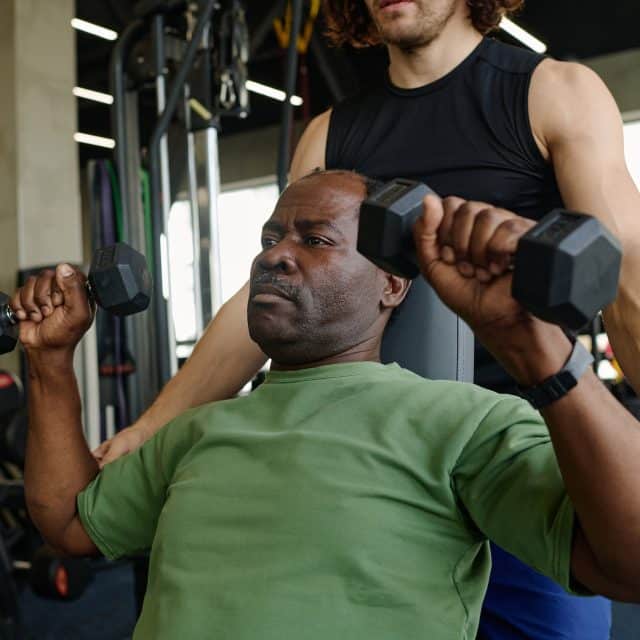
Published 1.23.25 Florida Institute for Human and Machine Cognition (IHMC) is recruiting people 60 years and older for a seven-month trial to better understand the health benefits of exercise. Results of the trial are aimed toward personalizing exercise prescription to maximize the health benefits attained for each older adult. This clinical trial — supported by a National Institutes of Health award to Dr. Marcas Bamman — is a collaboration among IHMC, the Oklahoma Medical Research Foundation and the University of Florida. Recruitment of 250 participants is under way in both Pensacola and Oklahoma City. Learn more and complete the prescreening process here. It is precisely the kind of project that IHMC’s new 40,000 square foot Healthspan, Resilience, and Performance Research Complex was designed to support, says Bamman, the Principal Investigator and Senior Research Scientist who leads that team. “Exercise is a potent treatment with the promise to mitigate most aging hallmarks, but there is substantial variability in individual exercise responsiveness,” Bamman says. “We believe this trial will help us learn more about why that variability occurs, along with strategies to boost responsiveness.” The trial is called Multidimensional Modeling to Maximize Adaptations to Exercise (M3AX). This individual response variability was first identified… Read More
STEM-Talk: Frank Butler on revolutionizing combat casualty care
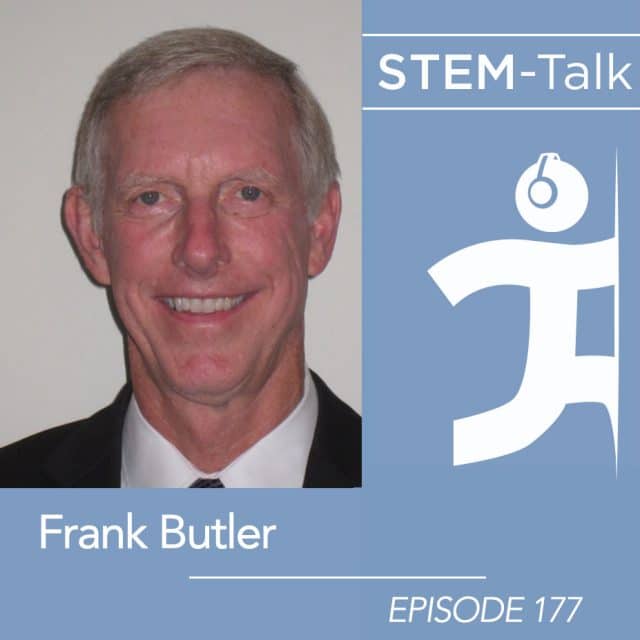
Published 1.16.25 Frank Butler has saved the lives of countless U.S. military servicemembers due in large part to something he saw as a college sophomore. As a Georgia Institute of Technology student on a Navy ROTC scholarship, Butler was in Virginia in 1969 learning about different aspects of Navy careers. A helicopter full of Navy SEALs flew over the group of students that included Butler. They dropped from that helicopter over water and staged a demonstration of using explosives to clear a beach for an amphibious assault, “just as they had done in World War II,” he says. “I was pretty much sold from the moment I saw that demonstration and determined that going into the SEAL teams was what I wanted to do,” Butler says. It may have delayed his entry into medicine, but these twin tracks would lead Butler down a path that ultimately changed the way battlefield medicine is conducted. It’s just part of the journey he shares with listeners on Episode 177 of STEM-Talk, available now wherever you listen to podcasts. An ophthalmologist and a retired Navy Undersea Medical Officer, Butler served as a SEAL platoon commander before he went to medical school. On Jan. 2,… Read More
Three researchers awarded at The Takeoff: Northwest Florida Pitch Day
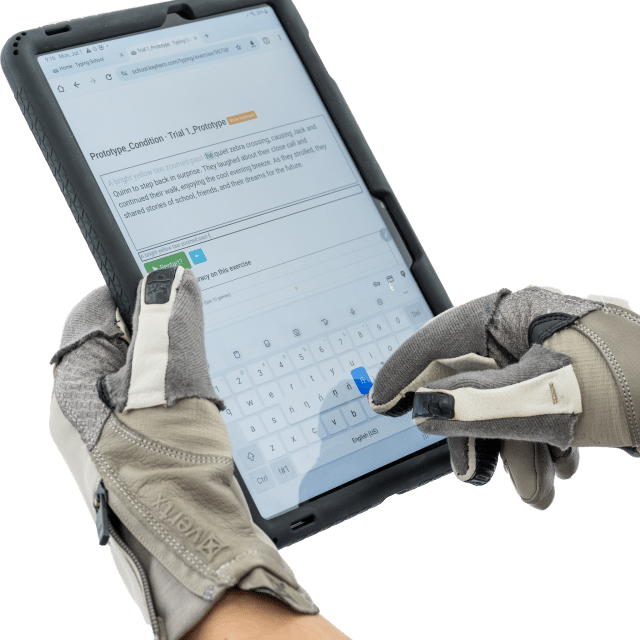
Published 1.23.25 Cultivating innovation is in the DNA of the Florida Institute for Human and Machine Cognition. The Takeoff: 2024 Northwest Florida Pitch Day was another opportunity for the partnership between IHMC and Space Florida to yield fruitful results in the name of innovation. Three IHMC Research Projects were featured at The Takeoff, a forum for regional startups and researchers to share their stories in front of venture capital and investment firms. Dr. Morley Stone, IHMC’s Chief Executive Officer, said The Takeoff “showcased IHMC’s growing commercialization interests and Florida’s prominence as a hub for cutting-edge technology, investment, and entrepreneurship, reinforcing the region’s critical role in shaping the future of innovation.” IHMC Presenters were awarded $5,000 each for the following projects: Tactile Glove Technology: Senior Research Scientist Dr. Jeff Phillips’ project for the U.S. Air Force School of Aerospace Medicine that aims to create haptic gloves with a tactile selector embedded to improve dexterity and performance of in-flight tasks. The patented selector improves haptic feedback and precise digital manipulation of touch screens and other controls while wearing gloves. Airborne and Portable Electromagnetic Sensing. Senior Research Associate Andy Bellina shared a project to design a low Size, Weight, Power, and Cost (SWaP-C) Electromagnetic… Read More
Dr. Pascal Lee kicks off 2025 Evening Lectures in Pensacola
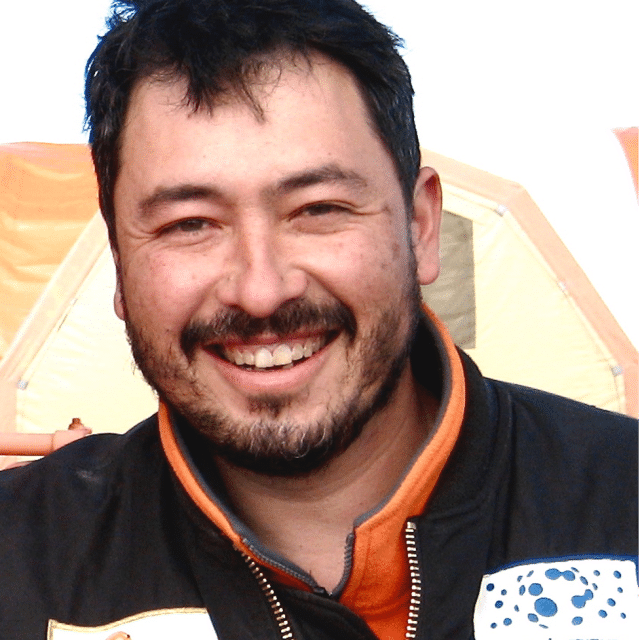
Published 1.10.25 Dr. Pascal Lee had led more than 30 expeditions to the Arctic and Antarctic to gain knowledge that might be helpful for a greater adventure — Mars. Lee, a planetary scientist with the SETI Institute, the Mars Institute, and NASA Ames Research Center, brings his vision for reaching this next, lofty goal to the first Evening Lecture of 2025 hosted by the Florida Institute for Human and Machine Cognition. His talk, “Moon to Mars: Our Amazing Human Exploration Future Ahead,” begins at 6 p.m. on Jan. 30 in the Institute’s classroom at 40 S. Alcaniz St., in downtown Pensacola. Lee’s research focuses on the history of ice and water on the Moon and Mars and the possibilities of exploring both of these worlds. Earlier this year, he and his student, Sourabh Shubham, announced the discovery of a previously unrecognized giant volcano on Mars, the Noctis Volcano. Returning to the Moon and venturing on to Mars will be humanity’s greatest endeavors in space this century, Lee says. Each destination offers amazing places to explore, profound science to conduct, potential resources to assess, a permanent human presence to establish, and a great future to imagine, plan and create. His talk examines… Read More
Science Saturdays return for 2025 with new hands-on learning opportunities
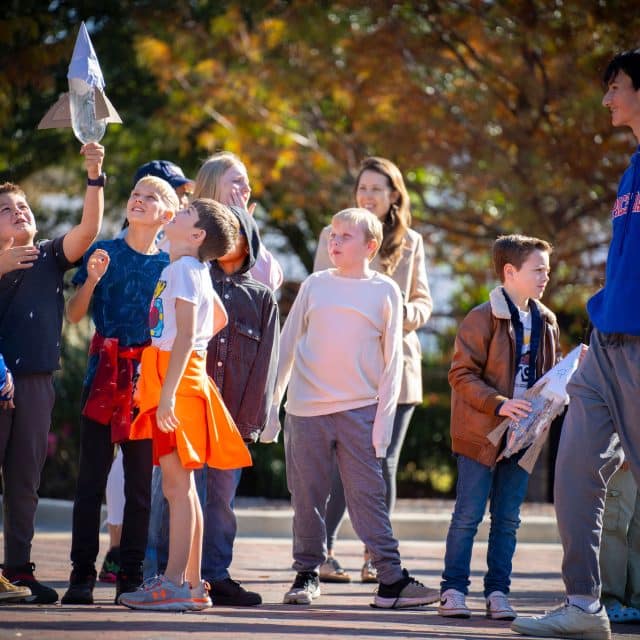
Published 1.8.25 Science Saturdays are back and ready to heat up young scientific minds in 2025. These 90-minute educational enrichment sessions are a cornerstone of community outreach at Florida Institute for Human and Machine Cognition (IHMC). Topics for the 2025 season include photo editing, roller coasters, human performance, and more. The sessions are aimed at students in grades 3-7 and are free to attend thanks to the support of community partners. In the series’ 16 years, nearly 5,600 students have attended and explored their interest in a wide array of science and technology topics, according to Dr. Ursula Schwuttke, director of educational outreach for IHMC. “Students who become interested in science when they are young are more likely to be ready to pursue those subjects in high school and college,” Schwuttke said. “Our sponsors have helped us establish Science Saturdays as a place for students to explore a wide array of scientific subjects independent of family resources.” Surveys conducted with families consistently show that the sessions are a lot of fun, and the variety of topics is intended to offer something that interests everyone, Schwuttke says. “We consider those factors to be a good measure of the quality of our… Read More
Eva exoskeleton gets a real-world test run
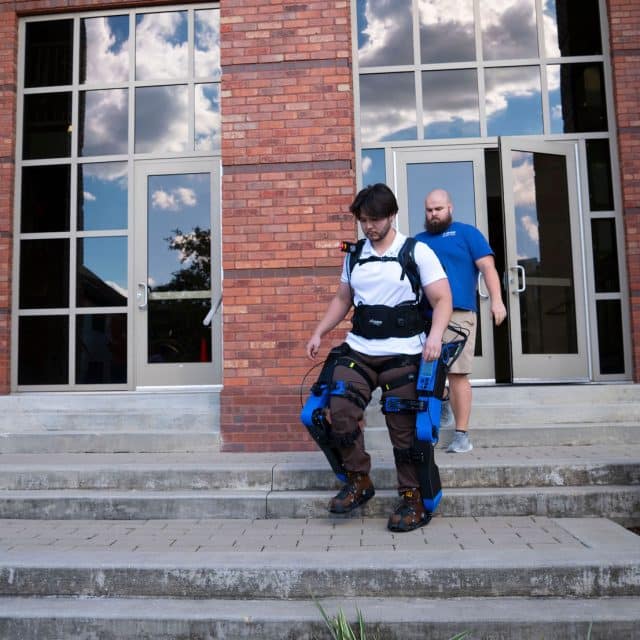
Published 12.19.24 The robotics team at the Florida Institute for Human and Machine Cognition recently took one of their exoskeletons for a test drive in the outside world. A video of the first out-of-lab test of IHMC’s Eva exoskeleton conducted in late Fall 2024 is now available. Eva is designed to help those who work in hazardous environments and need to carry heavy personal protective equipment. This collaboration with Sandia National Laboratories, funded by the U.S. Department of Energy, explores how wearable robotic systems can be incorporated into nuclear remediation projects. The collaboration is aimed at addressing the healthspan issues of a specialized, aging workforce, but there potentially are a host of other applications for the work. This first out-of-lab test of Eva is important because it demonstrates the ability of the device to operate outside of controlled environments, which is a critical first step to eventual field usage “The ability to wear it yourself, take it out into the world, and understand what the end user is going to feel is tremendously helpful for future development,” says IHMC Research Scientist Jared Li, who wore the exoskeleton in the test. IHMC is a not-for-profit research institute of the Florida University… Read More
STEM-Talk: Hans Van Dongen on the cognitive toll of fatigue and sleep loss
Published 12.2.24 Hans Van Dongen knew when he majored in astrophysics, it would not likely be his career. It was the diversity and rigor of scientific disciplines he would study in pursuit of that degree at Leiden University in the Netherlands that appealed to him. “When you signed up for astrophysics they tell you, ‘you are not going to be an astrophysicist, but you will be able to do pretty much anything else that you put your mind to because you have learned all of these different skills.’ And that is exactly what happened. I learned a ton of all these different parts of science, and then could apply that anywhere I wanted.” On this episode of STEM-Talk, Van Dongen joins Dr. Ken Ford and co-host Dr. Kevin Gluck to explore his research into sleep deprivation, shift work, fatigue risk management, and much more. Dongen is director of the Sleep and Performance Research Center at Washington State University. His research focuses on sleep and sleep deprivation and its effect on cognitive function. He’s also exploring the interplay among the body’s circadian system and its homeostatic system — a system that aims to correct our circadian balance when it is off…. Read More
IHMC unveils new leadership team to build on legacy of innovation
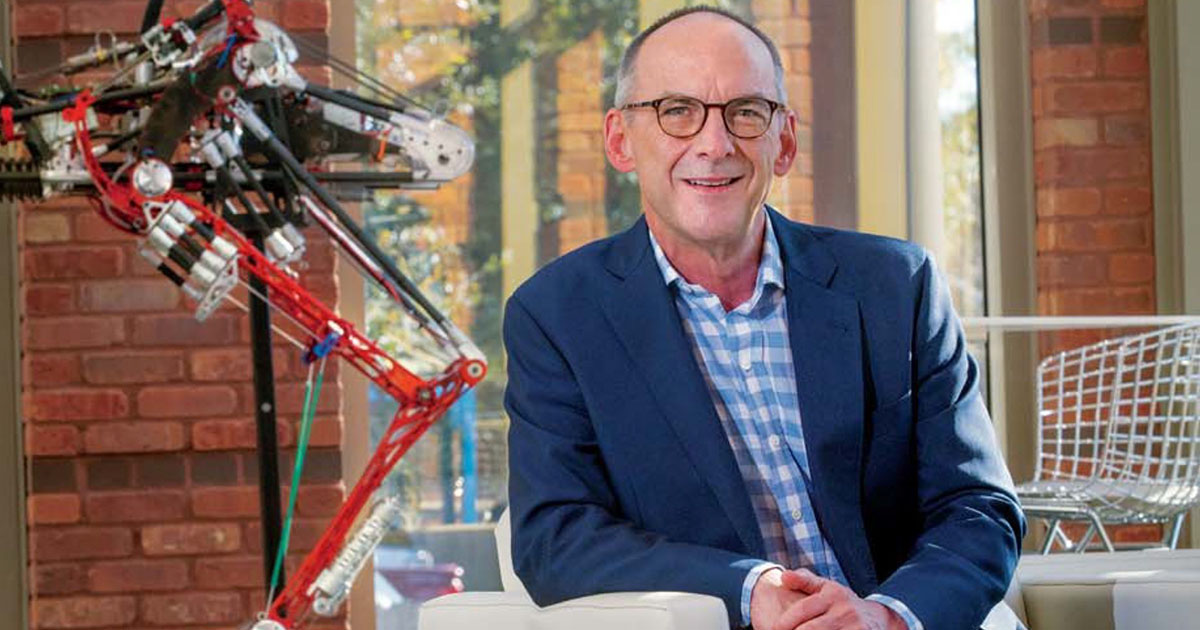
Published 11.20.24 After more than 34 years under the leadership of founder Dr. Ken Ford, the Florida Institute for Human and Machine Cognition will see a new senior leadership team take the reins. Ford will step into an emeritus role as of January 2025. The announcement was made in November 2024. Under Ford’s leadership, IHMC was built from a small office inside the University of West Florida into an independent research entity with an international reputation for excellence and innovation. The Institute focuses on a broad range of topics related to amplifying and extending human capabilities through three primary research focus areas: artificial intelligence and human cognition, robotics and exoskeletons, and healthspan, resilience and performance. Dr. Morley Stone steps into the role of Chief Executive Officer, having previously served as Chief Strategic Partnership Officer. “When Morley joined IHMC, I said I believed he would have a game-changing impact,” Ford says. “I have full confidence that the leadership team we have assembled — led by Morley — is poised to do just that and I am certain he will lead IHMC into a promising future for many decades to come.” Dr. William Dalton, chairman of IHMC’s Board of Directors, said the… Read More
Ocala Research Showcase highlights IHMC’s footprint and impact
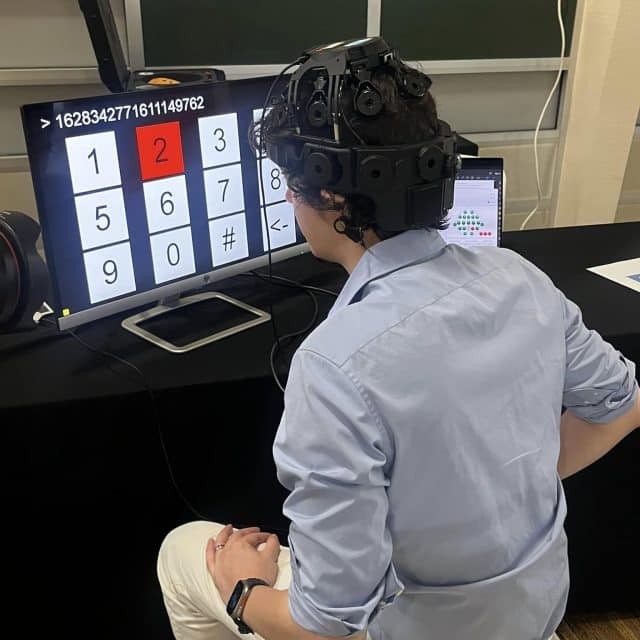
Published 11.15.24 The Ocala community has long supported IHMC. But to many, the research that goes on there is a bit of a mystery. Ocala’s campus is home to computer scientists, engineers, and linguists engaged in research spanning machine learning, natural language understanding, natural language understanding for social cybersecurity, and speech analysis for physiological state determination. The inaugural Ocala Research Showcase was an open house-style event highlighting IHMC scientists and sharing the impact their research can have in artificial intelligence and machine learning, robotics and exoskeletons, and healthspan, resilience, and performance. Research Scientist Dr. Ian Perera led the coordination of the event along with Laurie Zink, development and community outreach director at the Ocala campus. “(The showcase) created an opportunity to open up opportunities for collaboration with industry and researchers, engage with educators to help them better understand how to prepare their students for the rapid changes in technology their students will experience, and reach out to the public to show them the work we’re doing to augment their capabilities,” Perera said. The hands-on demonstrations aimed to connect with different human capabilities – from physiological monitoring via eye tracking, to VR for identifying cognitive impairments from mild traumatic brain injury,… Read More
STEM-Talk wins Signal Award in Health & Wellness Podcasts
Published 10.30.24 IHMC’s podcast STEM-Talk has earned another accolade, winning the bronze award in the third Annual Signal Awards for best General Health and Wellness podcast. Dr. Ken Ford, IHMC’s co-founder and CEO, co-hosts the podcast with colleagues from IHMC, including Drs. Dawn Kernagis, Marcas Bamman, and Tommy Wood. The episode featured by the Signal Award is Episode 162 with Dr. Marc Hamilton, an international expert in muscle physiology and professor at the University of Houston. He has published pioneering work on the soleus push-up, a potent physiological method which Marc discovered having the ability to elevate metabolism for hours, even while sitting. STEM-Talk, with more than 170 episodes, features conversations with some of the most interesting people in the world of science and has been downloaded by more than 4.3 million people across the world since its launch in 2016. In 2019 and 2017, STEM-Talk won first place in the Science and Medicine category of the annual People’s Choice Podcast Awards. In 2020, STEM-Talk was nominated for a Webby Award in Science and Education. “The STEM-Talk team is honored by the recognition from the Signal Awards,” Ford said. “We began STEM-Talk to create a venue for thoughtful and insightful… Read More
STEM-Talk: Rudy Tanzi on genetics, aging, and the hallmarks of Alzheimer’s
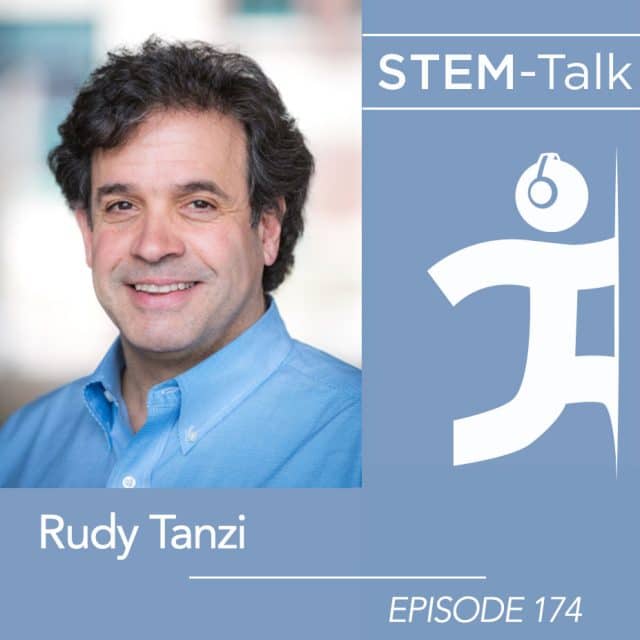
Published 10.28.24 Dr. Rudy Tanzi is best known for co-discovering all three familial early onset Alzheimer’s genes — discoveries that have expanded what we know about the disease, how we might counter its effects, and the speed with which drug therapies can be brought to market. He has co-written two books with Deepak Chopra, , “Super Brain” and “The Healing Self,” and is one of the top 50 most cited neuroscientists in the world. He also plays keyboards in the studio for Aerosmith and its guitar player Joe Perry. A well-rounded career to be certain. Tanzi is the director of the Genetics and Aging Research Unit as well as the director of the Henry and Allison McCance Center for Brain Health. He is also co-Director of the Massachusetts General Institute for Neurodegenerative Disease at Massachusetts General Hospital and serves as the Joseph P. and Rose F. Kennedy Professor of Neurology at Harvard Medical School. He shares his expertise on this episode of STEM-Talk, available now wherever you listen to podcasts. It’s a fascinating conversation with someone who is a world-renowned expert in Alzheimer’s Disease. “If you ask what leads to cognitive decline with age, or in a more serious way,… Read More
National Institutes of Health award for $7.7 million to determine how people over 60 attain the health benefits of exercise
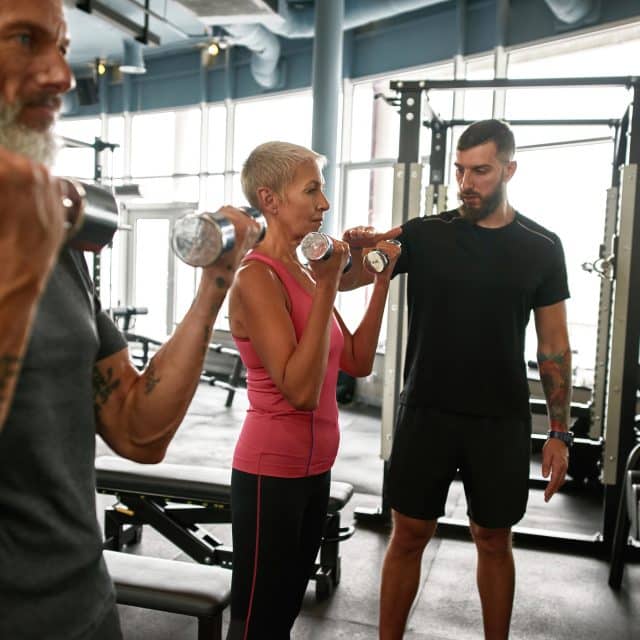
Published 10.01.24 Dr. Marcas Bamman has received a $7.7 million award from the National Institutes of Health (NIH) for a clinical trial to determine how people age 60 and older attain the health benefits of exercise. Bamman is a Senior Research Scientist at the Florida Institute for Human and Machine Cognition (IHMC) who leads the Institute’s Healthspan, Resilience, and Performance team. This new project is called “Multidimensional Predictive Modeling to Understand Mechanisms of Exercise Response Heterogeneity in Older Adults.” It is a collaboration with the Oklahoma Medical Research Foundation and the University of Florida. “This type of research is what the new Healthspan, Resilience, and Performance Research Complex was built to sustain,” says IHMC’s CEO and Founder, Dr. Ken Ford. “We anticipate that this research will foster significant advances in the understanding of the factors that impact the variability of response to exercise among older adults.” Age-related functional declines are thought to be caused by hallmark biological processes that compromise healthspan and quality of life, says Bamman. “Exercise is a potent treatment with promise to mitigate most aging hallmarks, but there is substantial variability in individual exercise responsiveness,” Bamman says. “This project will help us begin to understand what underlies those differences… Read More
STEM-Talk: Anurag Singh on aging, exercise, and urolithin-A
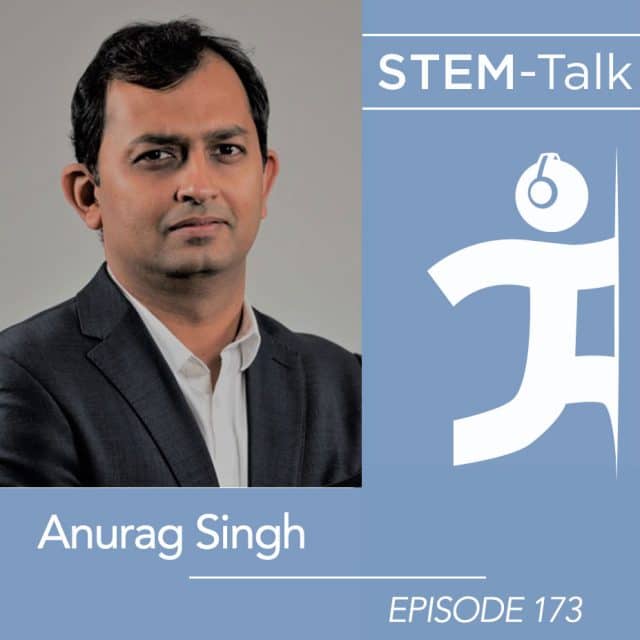
Published 9.23.24 Dr. Anurag Singh has spent his career using research to unlock a better treatment path for the chronic diseases that dominated his early medical practice. “I felt I was blindly treating the symptomology of these chronic diseases (cancer, diabetes), and it gave rise to the question, ‘What if we could intervene earlier?’” Singh says. The journey to answer that question led him to Nestle Health Science and ultimately to his role as chief medical officer at Timeline Nutrition, a Swiss life-science company focused on improving mitochondrial and cellular health. Singh, who has a medical degree in internal medicine and a Ph.D. in immunology, is our guest for the latest episode of STEM-Talk, available now wherever you listen to podcasts. Singh is known for his research into the gut metabolite urolithin-A, which has been shown to improve muscle quality, protect immune systems, and optimize mitochondrial efficiency. This compound is produced by gut bacteria from metabolizing ellagitannins and ellagic acid, which are found in foods such as pomegranates, red and black berries, walnuts, pecans — and even Iberian ham. In this conversation, Singh shares how his desire to put “hard biology” at the root of nutritional approaches to healthspan is… Read More