

National Institute on Aging funded study tracks changes to gait as we age

Some people call it “walking on ice”— the careful steps and slower pace that older people take on when they walk. Biomechanically it is a way to prioritize stability over economy — we slow down to decrease the chances we will fall and use our hips more than we use our ankles. But “walking on ice” costs our bodies more metabolically and reduces walking speed, both of which have downstream consequences for healthspan. Learning more about that intersection is the heart of a recent award by the National Institute on Aging (NIA) to Florida Institute for Human and Machine Cognition (IHMC) researchers Dr. Greg Sawicki and Dr. Zach Graham. The $3.2 million award, run through Sawicki’s lab at the Georgia Institute of Technology and the Florida Institute for Human and Machine Cognition in Pensacola will focus on Identifying Multi-Scale Mechanisms for Age-Related Increase in Metabolic Cost of Walking (ID-MET). “Mobility serves as a surrogate for well-being with age-related limits to walking function that include increased energy cost and decreased speed,” says Graham. “We want to understand more about how multiple systems interact as we age.” Sawicki, whose home-base is the Human Physiology of Wearable Robotics Laboratory at Georgia Tech, was… Read More
Meet Alex, IHMC’s next generation humanoid robot
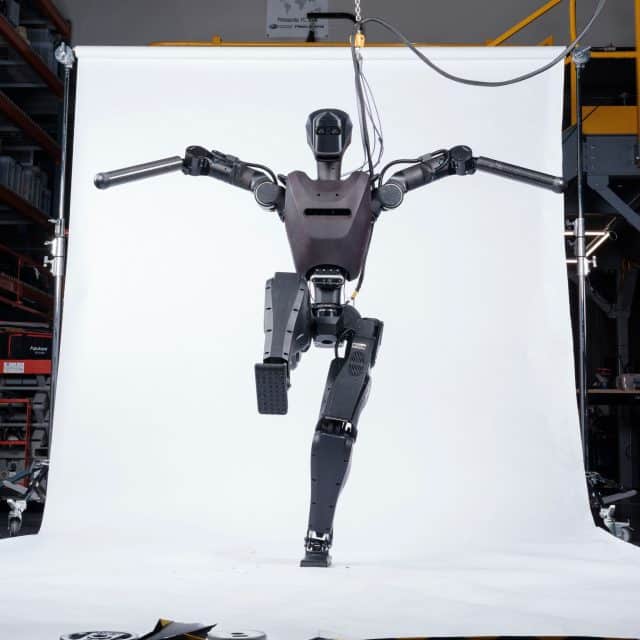
Alex is going out into the world. The Florida Institute for Human and Machine Cognition’s newly developed robot is the latest chapter in IHMC’s long history of excellence and innovation in the field of humanoid robotics. It takes the lessons of years of work on integrated controls and behaviors as well as in-house hardware design to prioritize out-of-the-lab testing and experimentation. Alex is a multi-year, multimillion dollar project funded through the Office of Naval Research (ONR). It builds upon the design work the Robotics team did on Nadia, a humanoid that advanced the genre — and gained YouTube notoriety playing ping pong and boxing. Nadia’s proficiency with behavior, decision-making, push-recovery and more in the lab informed the team’s work moving forward. Nadia was a rich testbed not only for the structural specifications of the humanoid — from joints to actuators — but also for the software that drives behavior capabilities, perception sensing, virtual reality teleoperation, and more. Senior Research Scientist Dr. Robert Griffin leads the Alex team. Their work is featured in the latest edition of IHMC’s newsletter, available now. “The idea is to really start pushing the robot to go outside of the lab and develop it into a… Read More
Decades of AI-expertise fuel growth of National Center for Collaborative Autonomy
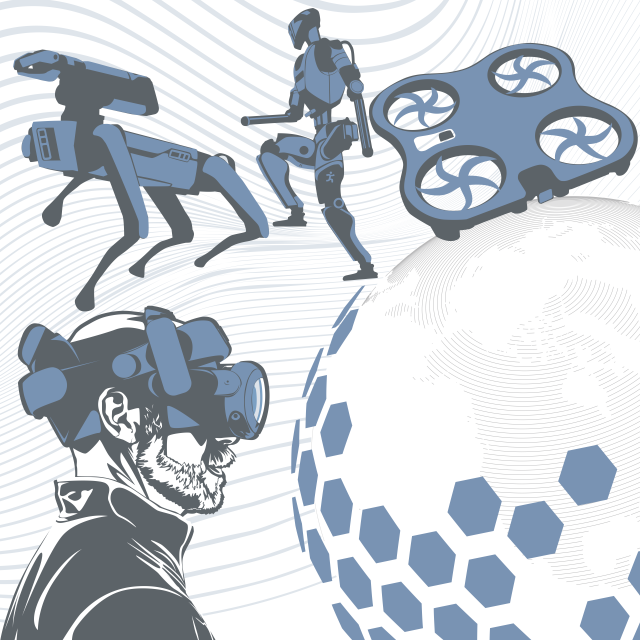
Recent military conflicts around the world have underscored the growing importance of autonomous systems, including drones, in modern warfare. In the civilian world, the impact of autonomous systems is equally profound and is expected to grow dramatically. Collaborative autonomy will enable everything from self-driving vehicles to space exploration and much more. Controlling and coordinating these interconnected human-machine systems, and maximizing their utility and efficacy in the air, on land, underwater, and even in space, will be critical to protecting the nation’s security and economic interests. An award secured by the Florida Institute for Human and Machine Cognition (IHMC) has the Institute poised to continue to be a leader of this initiative, creating a center of research excellence in cooperative human-machine teaming, a research area focused on optimizing the ability of these systems to work together with humans. The National Center for Collaborative Autonomy (NCCA) leverages and expands IHMC’s internationally recognized expertise in AI and autonomous systems, human-machine teaming, communications networking, collaborative federated multidomain autonomy in uncertain communication environments, human factors, and related disciplines. The story is highlighted in the most recent edition of the IHMC newsletter, available now. This $6.7 million award from the Triumph Gulf Coast Board will establish… Read More
Entrepreneurs, researchers find opportunity at Northwest Florida Pitch Day
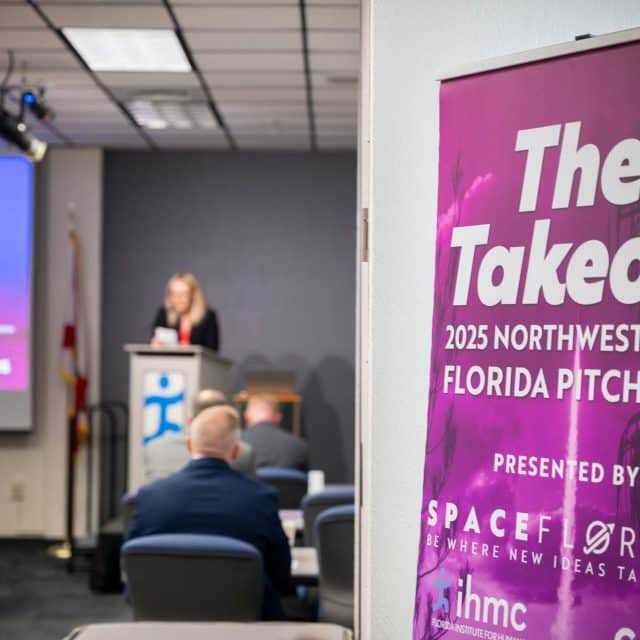
Published 11.10.25 Innovation has always had a home at IHMC and a partnership with Space Florida created another opportunity to showcase that. For the second year, the Florida Institute for Human and Machine Cognition’s Pensacola campus hosted The Takeoff: Northwest Florida Pitch Day with partners Space Florida, Gain Venture Capital, and DeepWork Capital. Pitch Day connects market-ready research and startups in the region with investors, accelerating their path to commercialization and scaling groundbreaking technology. Dr. Morley Stone, IHMC’s Chief Executive Officer, said the Institute was proud to co-host Pitch Day again. “Initiatives like The Takeoff unite innovators, investors, and business leaders to accelerate the commercialization of breakthrough technologies,” Stone says. “This year’s event highlighted IHMC’s expanding portfolio of commercialization efforts and reaffirmed Florida’s position as a national leader in technology, investment, and entrepreneurship—driving innovation that shapes the future.” The IHMC researchers who presented were: Senior Research Associate Daniel Duran highlighted The Modular IoT Networked Technology (MINT) Threat Detection System, which delivers scalable, multilayered defense and enhanced situational awareness through a distributed network of minimal SWaP-C Threat Detection Boxes. These versatile, low-cost units detect and analyze a wide range of threats — including perimeter intrusion and tampering, acoustic and seismic activity, and… Read More
IHMC honored by Humanoid Robotics Technology as Outstanding Research Organization
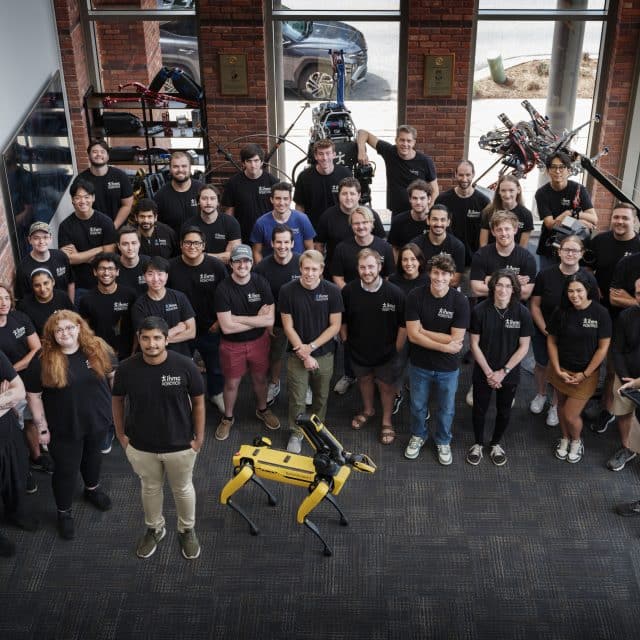
The Florida Institute for Human and Machine Cognition (IHMC) is once again in the international spotlight in the field of humanoid robotics. The Institute was named Outstanding Research Organization in the 2025 Humanoid Robotics Industry Awards for its Nadia humanoid project. The awards are sponsored by Humanoid Robotics Technology (HRT) in partnership with Novanta. Dr. Morley Stone, IHMC’s Chief Executive Officer, was thrilled that the team was recognized in this way — among competition such as the University of California at San Diego, Massachusetts Institute of Technology, the University of California at Berkley, Standford University, Shanghai Tech University, the Instituto Italiano di Tecnologia, Harbin Institute of Technology, Peking University, and ETH Zurich. “IHMC is indeed a special place, where researchers work together across numerous disciplines every day to push the envelope in terms of what is possible in humanoid robotics and teaming,” Stone says. “To have the worldwide humanoid community recognize us and our work is an honor.” Humanoid Robotics Technology is a website dedicated to industry news in humanoid robotics. The Outstanding Research Organization Award honors organizations that deliver research that significantly advances the field, includes community engagement and outreach to raise awareness of the benefits of humanoids in society, and pioneer… Read More
STEM-Talk: Marina Walther-Antonio on the microbiome and gynecologic cancers
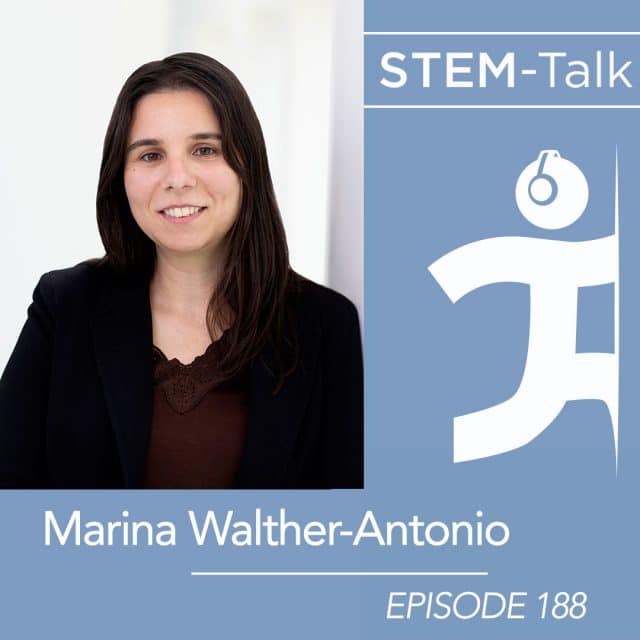
Marina Wather-Antonio was raised to ask questions — and encouraged to find the answers for herself. Born in the years after Portgual’s dictatorship fell in 1975, she says her father prized intellectual rigor and raised her to be an independent thinker. “My dad was very set on raising me in a way that I wouldn’t just be believing everything everyone told me,” she says. “Inadvertently, I think he ended up raising a scientist because I would ask questions as any little kid does and he would never answer them.” That led her to a career in science asking questions that could have a fundamental impact on women’s health and well-being. Walther-Antonio is an assistant professor at the Mayo Clinic in Rochester, Minn., whose research focuses on the human microbiome and women’s health. On this episode of STEM-Talk, she shares how she and her colleagues are using the methodologies of environmental microbiology and astrobiology — two disciplines she studied early in her career — to improve our understanding of gynecologic cancers. She and her team have been developing early detection tests that will help clinicians intervene earlier in the treatment of ovarian and endometrial cancers. The microbiome field emerged from an… Read More
STEM-Talk: Dawn Kernagis on permanent human subsea habitats
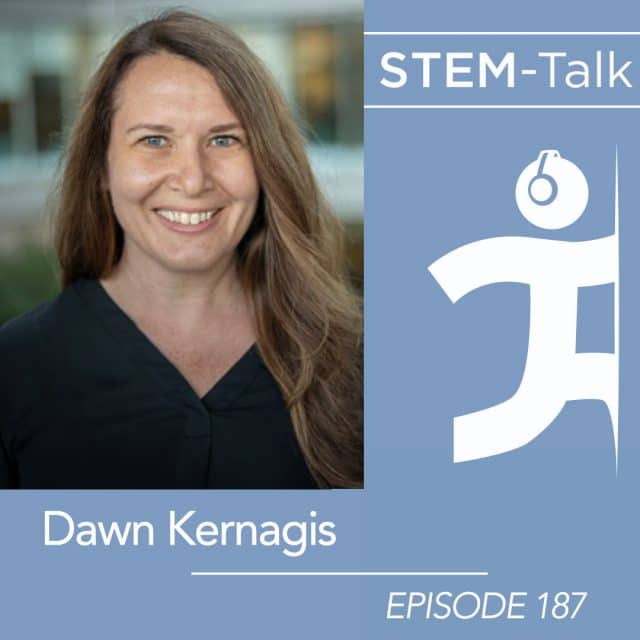
Published 10.3.25 The Carolina coast had a big influence on Dawn Kernagis. Kernagis was about 8 years old when her family moved to North Carolina, and as a water-loving child, she was often found swimming. Even so, the turning point for her was a visit to the Fort Fisher Aquarium that sparked what became a lifelong passion for diving. Seeing a giant aquarium full of different species of fish that lived subsea triggered Dawn’s curiosity. “This is amazing,” she thought. “I want to become a marine biologist.” She began poring over her father’s oceanography textbooks from a class he was taking at North Carolina State University. Though some of the concepts flew over her head at the time, it became the portal that led her to what she wanted to do. “I would read all of the diving magazines. I would write essays about what I thought it would be like to scuba dive when I was in middle school. I was just ready to go underwater.” Kernagis, our normal STEM-Talk co-host, is on the other side of the microphone for this episode, talking about her new position as the director of scientific research for DEEP, a UK startup that… Read More
STEM-Talk: Mari Dezawa on her MUSE cell discovery and regenerative medicine
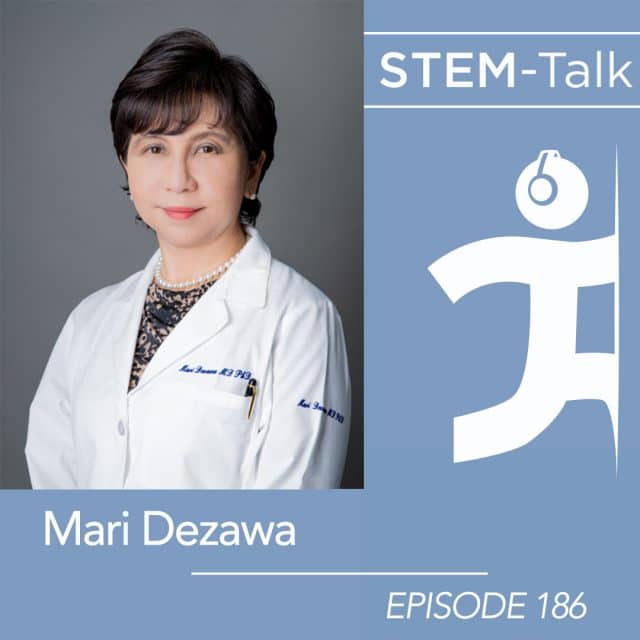
Published 9.4.25 Science was always part of Mari Dezawa’s life — even if she first thought she might head in another professional direction. Her father was a researcher and she remembers many weekends in her childhood spent in her father’s lab. But when she was in high school, she dreamed of becoming a lawyer. A childhood spent moving multiple times between the U.S., Japan and elsewhere for her father’s career, may have been a hindrance. “When I returned to Japan, my scores in reading and writing Japanese were low, she says. Struggling to keep up with those classes, she changed her policy and decided to go to medical school. Now we all may be better off for that change of plans. Dezawa is one of the world’s leaders in stem-cell research and regenerative medicine, known worldwide for her discovery of MUSE cells, which are found in the human body and have the unique ability to replace damaged tissues as well as help the body heal itself. MUSE is short for Multilineage Differentiating Stress Enduring cells. We are fortunate to have her on this episode of STEM-Talk, available now wherever you listen to podcasts. Dezawa is a professor and chair of… Read More
2025 Evening Lectures launch with “The Barbell Prescription” co-author Dr. Jonathon Sullivan
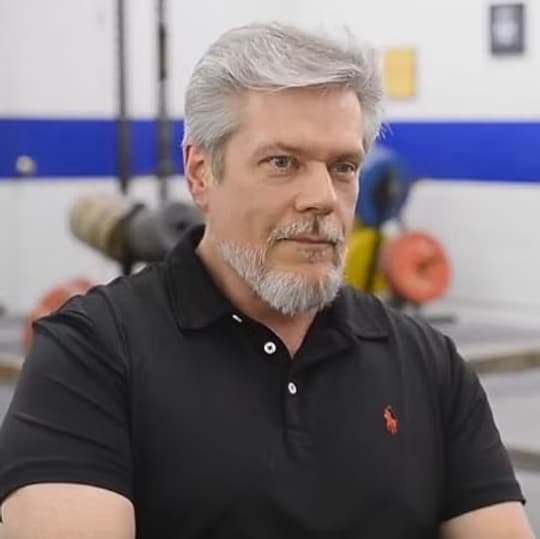
Published 8.20.25 Strength-building and aging, psychedelic-assisted psychotherapy, and future of robotics and exoskeletons are all up for discussion in the Fall 2025 Evening Lecture series at the Florida Institute for Human and Machine Cognition (IHMC). Dr. Jonathon Sullivan launches the Fall season on Sept. 18 with a talk titled “Athletic Training, Transhumanism, and Telos.” The talk begins at 6 p.m., the reception precedes it at 5:30 p.m. in the community room at 40 S. Alcaniz St. in downtown Pensacola. Reserve your free tickets today. Sullivan is a retired physician and neuroscientist known for his work in strength training in older people. He is the co-author of “The Barbell Prescription: Strength Training For Life After Forty” and is the owner and director of the Greysteel Clinic in Farmington, Mich., where he has trained older adults since 2014. He works with Barbell Logic, a professional strength and nutrition coaching company, and he is the host and producer of the Greysteel channel on YouTube. Sullivan describes strength training as a “critical form of exercise medicine for healthy aging.” His talk will explore a general consideration of training programs, and how athletes and coaches develop fitness attributes by exploiting a biological stress-recovery-adaptation process. This… Read More
Science Saturdays are learning experiences for volunteers, students alike
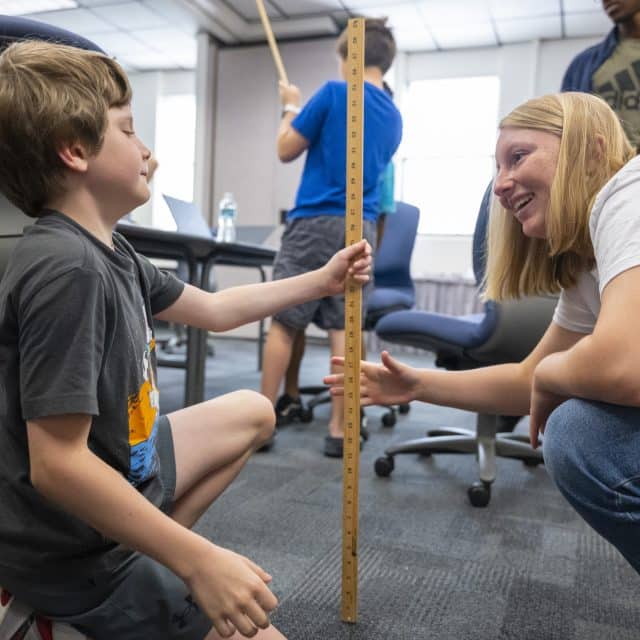
Published 8.18.25 There is a lot to love about Science Saturdays at IHMC. These science-enrichment sessions bring science to students in grades 3-7 in fun and engaging ways on topics ranging from paper airplanes to robot hands and roller coasters. The series returns for the 2025-2026 school year in Pensacola on Sept. 20, 2025. Learn more here. It is free — which is something parents can love. It is full of activities in which scientific principles jump out of the textbook and into the real world — which is something students and instructors can love. But what makes Science Saturdays truly special are people like Hannah and Rachel Kirby. The Kirbys — twins who graduated in 2025 from Pace High School — were two stalwart high school volunteers who have given more than a few Saturdays to work with small groups of students. Both are freshmen at Florida State University this fall studying biomedical engineering — inspired in large part by what they saw at IHMC. “It has been a true pleasure to have Hannah and Rachel volunteer with us,” says Ursula Schwuttke, IHMC’s director of community outreach. “It was easy for the younger students to relate to them as… Read More
STEM-Talk: Andrew Koutnik on nutrition, metabolism and human performance
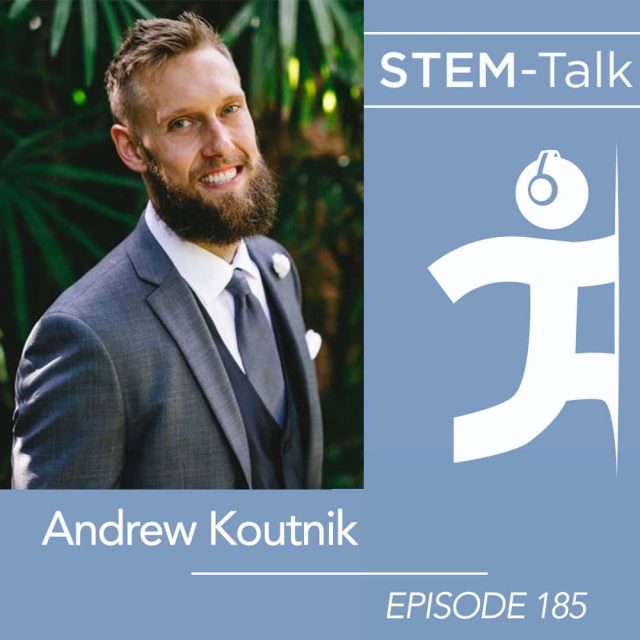
Published 7.31.25 Andrew Koutnik never imagined himself as a scientist. “As a kid, I had limited awareness of what a scientist actually was,” Koutnik says. Science segments on National Public Radio, which he listened to with his father, helped open his mind to the role science could have. Those little doses of science, along with the influence of a much-loved neighbor who routinely shared knowledge and resources with the young Koutnik, opened the door to his scientific journey. Today Koutnik is exploring those boundaries using his personal experience as a type 1 diabetic to fuel a passion for understanding and bettering human performance. Koutnik, an IHMC Visiting Research Scientist, is the guest on Episode 185 of STEM-Talk, available now wherever you listen to podcasts. Koutnik has worked with Harvard, Johns Hopkins, NASA, and the Department of Defense to develop evidence-based strategies for overcoming complex health challenges. He is a graduate of Florida State University and earned his Ph.D. in medical sciences at The University of South Florida. “It was in college that I realized you could explore your personal curiosities and actually get paid to do it,” Koutnik says. “My journey into science really came through personal curiosity and my… Read More
Scientists passing the torch at IHMC Summer Robotics Camp
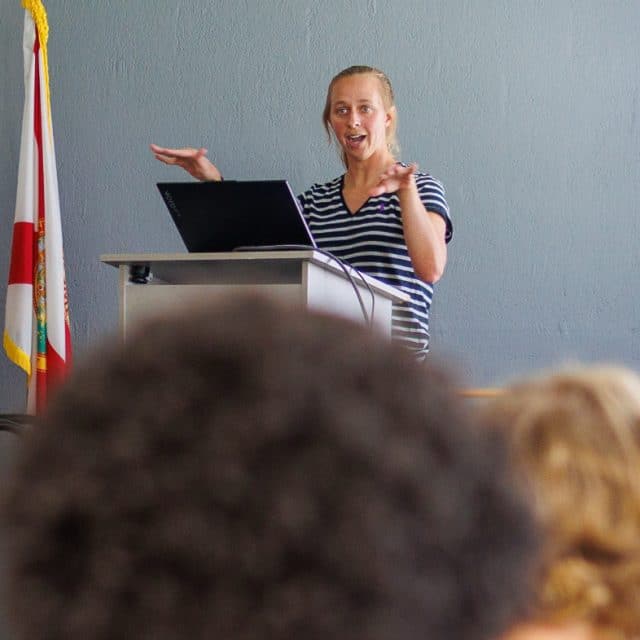
Published 7.16.25 Nicole Stafford volunteered as part of IHMC’s Summer Robotics Camp to give students something she missed as a kid. “I did not go to a camp like this growing up and I feel like it is an excellent chance for kids to see if they like robotics and interact with scientists,” says Stafford, a mechanical engineer on the exoskeleton team at the Florida Institute for Human and Machine Cognition. “(IHMC) does a great job to give kids that opportunity and it was special to be a part of.” Stafford, who earned a bachelor’s and a master’s degree at Standford University and her Ph.D. at the University of Florida, was one of a handful of IHMC scientists who acted as guest lecturers at the camp, answering questions and sharing what a life in science might look like. “Interacting with the campers through a lecture and lunch was a fantastic and fun opportunity. The campers asked some great questions related to exoskeletons and being an engineer, so it was fun to see their curiosity.” Robotics Camp ran in three sessions in Pensacola and two sessions in Ocala this year. Participants spent four days learning to program LEGO Mindstorm robots, meeting… Read More
STEM-Talk: Ask Me Anything with Dr. Ken Ford
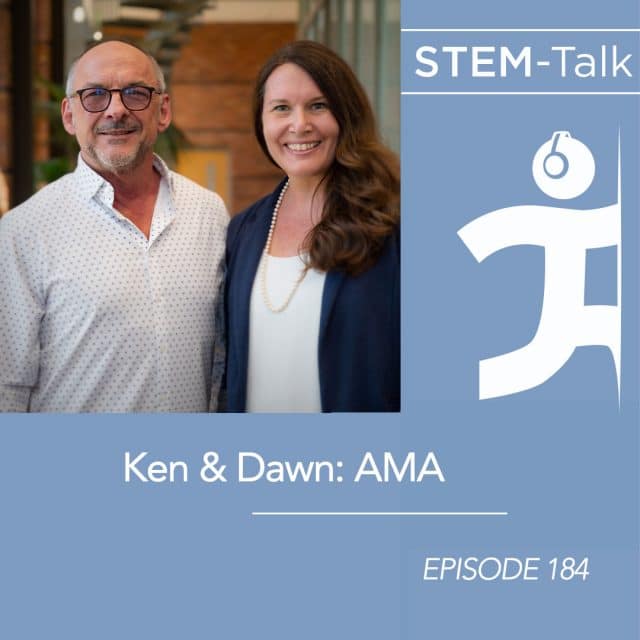
Published 7.11.25 It’s time for another episode of Ask Me Anything on STEM-Talk, available now on your favorite podcast platform. Dawn and Ken answer listener questions that range from generative AI to whether grip strength is a biomarker for longevity and the potential of ketamine as a treatment for depression. If you have a question you’d like to submit for a future Ask Me Anything, email STEM-Talk producer Randy Hammer at rhammer@ihmc.org. This episode includes: Whether Ken and Dawn prefer to read books in print or digitally. Ken’s thoughts on a recent paper claiming that a decline in grip strength is associated with adverse health consequences. The FDA-approved use of esketamine, a derivative of ketamine, as a therapy for depression. Ken’s thoughts on how tools such as OpenAI’s “Whisper” transcription tool ought to be integrated into the marketplace — and how their risk of error ought to be navigated. Whether there is ever such a thing as “settled science.” An overview of Dawn’s work with the deep-sea technology company DEEP. Ken’s recent commencement address to 2025 graduates at the University of West Florida. It includes why he believes we are all inventors — and that our greatest inventive work is… Read More
David Bear joins IHMC Board of Directors
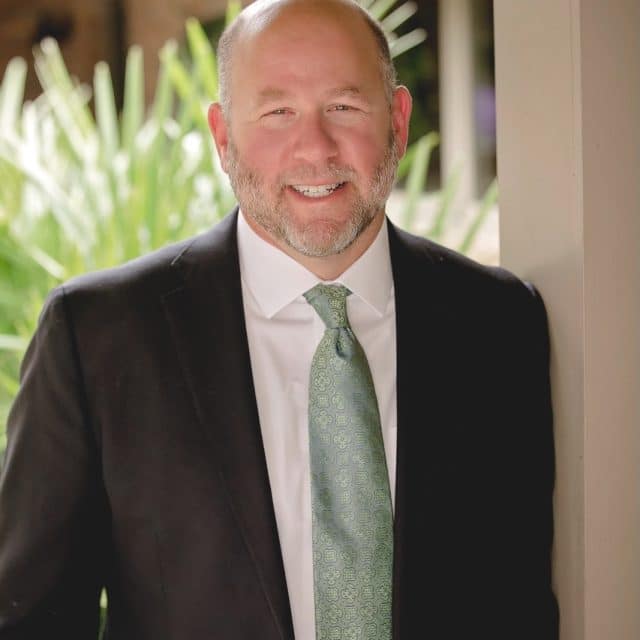
Published 7.1.25 David Bear has joined the Board of Directors of the Florida Institute for Human and Machine Cognition, adding to his impressive business and civic resume. “David has a wealth of experience in both business leadership and civic involvement, along with deep community ties and philanthropic vision,” says Dr. Morley Stone, IHMC’s Chief Executive Officer. “He will be a tremendous asset to IHMC and we are fortunate to have him join our Board of Directors.” Bear is the owner and CEO of The Lewis Bear Company, a beverage distributorship founded in 1876 in Pensacola. Bear and his company founded Bear Family Foundation in 2002, which has awarded millions of dollars in grants to more than 118 local nonprofit organizations serving Northwest Florida. “IHMC is one of the lesser-known jewels in the intellectual and economic landscape of Northwest Florida,” said Bear. “Over the years, I’ve watched the Institute expand and innovate, and I’ve become a great admirer of the research challenges it embraces. The opportunity to help share IHMC’s story with a broader audience is something I couldn’t pass up.” In addition to his entrepreneurial success, Bear has built upon his family’s legacy of commitment to public service and community… Read More
STEM-Talk: Michael Schmidt on building a space-faring civilization
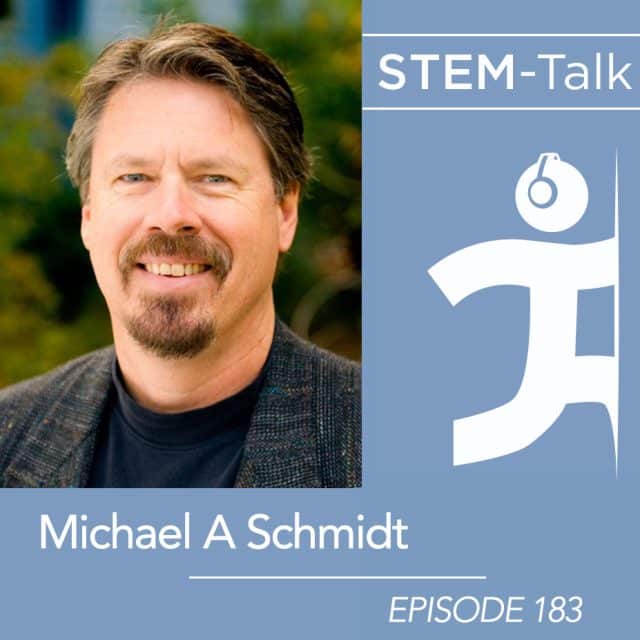
Published 6.24.25 It may not be what he envisioned as a college student, but Michael Schmidt says the blessing of “deep curiosity” has been the key to his career in science. “I didn’t have a master plan in place other than to know I was deeply curious,” he says. “I loved that intersection between performance, medicine and biology.” Aptitude testing he underwent showed that the process of discovery was most alluring for Schmidt and that became the driving force of his career. “We know that careers are short and needs are high,” Schmidt says. “There is a doctor sitting in front of somebody every day by the millions, and that person needs an answer. (The question is) how do we accelerate that path to the answer.” This STEM-Talk features part two of our conversation with Schmidt, the founder, CEO, and Chief Scientific Officer of Sovaris Aerospace, a company focused on assessments and solutions applied to humans in space and extreme environments on Earth. In this episode, we talk about NASA’s plans to send humans to Mars and build permanent colonies on the Moon and Mars. Listen today wherever you enjoy podcasts. In part one, Episode 182, we talked about Schmidt’s pioneering… Read More
Florida Blue award supports health and wellness research and outreach at IHMC
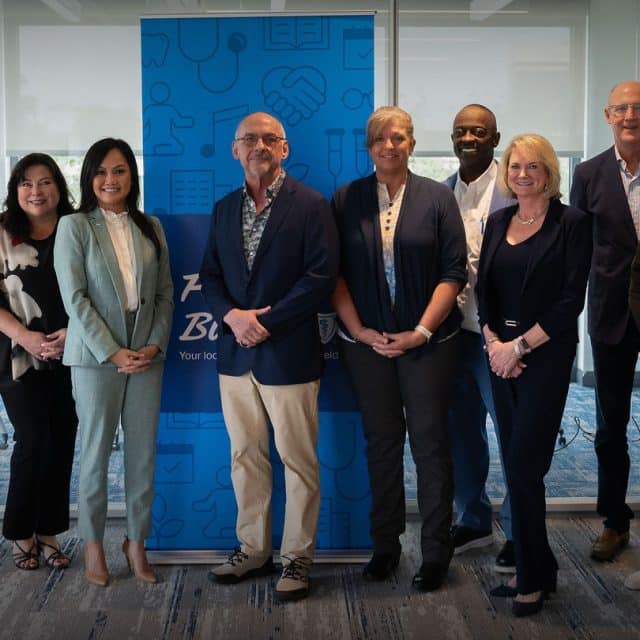
Published 5.21.25 Florida Blue, the state’s Blue Cross and Blue shield plan, has announced an award to the Florida Institute for Human and Machine Cognition (IHMC) to further health and wellness research and community outreach. The investment reflects a continuing collaboration between the two entities and will help support education and outreach efforts that further IHMC’s mission to advance the human condition. The community room in IHMC’s new Healthspan, Resilience, and Performance Research Complex will be named in recognition of Florida Blue’s support. “Florida Blue is committed to improving the health of our communities,” says Hong Potomski, market leader for Florida Blue in Northwest Florida. “IHMC’s innovative research and approach to advancing the human condition aligns with our mission, and we are excited to support their efforts.” Dr. Morley Stone, IHMC’s Chief Executive Officer, notes that the Institute’s purpose is research that improves healthspan and resilience for all. That aligns to Florida Blue’s commitment to building healthy communities across the state. “Understanding the human body and how we can prevent the progression of disease is how we improve quality of life for all. This collaboration reflects Florida Blue’s commitment to the community and the important work that we can do… Read More
STEM-Talk: Ken Forbus on AI and his development of the Structure Mapping Engine
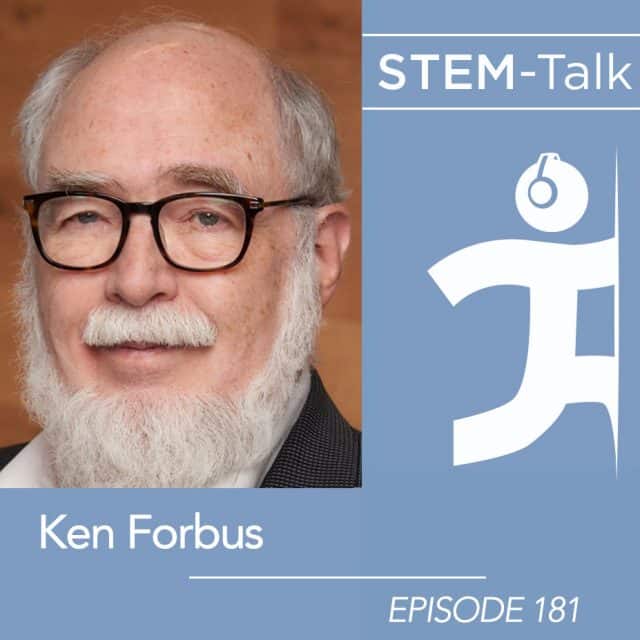
Published 5.13.25 Episode 181 of STEM-Talk offers a meeting of some truly great minds in the field of artificial intelligence. It is available now on our website and wherever you listen to podcasts. The conversation features three fellows of the American Association for Artificial Intelligence: Northwestern University’s Dr. Ken Forbus. IHMC founder Dr. Ken Ford. And retired associate director of IHMC Dr. James Allen. Forbus is the Walter P. Murphy Professor of Computer Science and a Professor of Education at Northwestern University. He was the inaugural winner of the Herbet A. Simon Prize for Advances in Cognitive Systems. Co-hosts Ford and Allen interview Forbus about his development of the Structure Mapping Engine. In artificial intelligence and cognitive science, the Structure Mapping Engine is a computer simulation of analogy and similarity comparisons that helped pave the way for computers to think like humans. The conversation leads from Forbus’ early life in a family the raised and bred horses to his innovative work in a field he helped pioneer. The three AAAI fellows also have a fascinating discussion about the ethical guardrails that are needed as AI becomes more human-like. One hint: It will require a lot more than simply meeting the Turing Test and declaring victory. “The problem… Read More
STEM-Talk: Pascal Lee on returning to the Moon — and heading to Mars
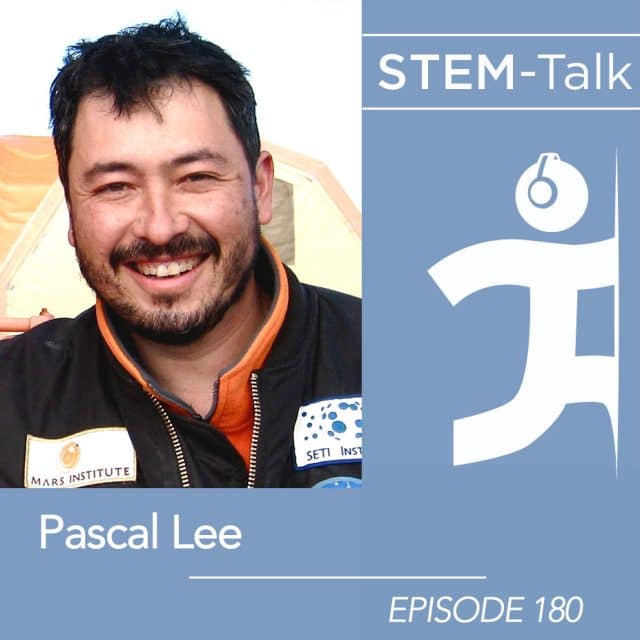
Published 4.9.25 Dr. Pascal Lee had led more than 30 expeditions to the Arctic and Antarctic to gain knowledge for a greater adventure — Mars. Lee, a planetary scientist with the SETI Institute, the Mars Institute, and NASA Ames Research Center, brings his vision for reaching this next, lofty goal to his third appearance on STEM-Talk, available now wherever you listen to podcasts. “The return to the moon is one of those things we would have expected to happen much sooner. And even the journey to Mars, I had always hoped that we’d be much farther along by now,” Lee says. “But this is feeling like it’s going to happen soon.” Lee’s past appearances were Episode 121 in 2021 and Episode 17 in 2016. He also gave an Evening Lecture on our Pensacola campus in January 2025. His research focuses on the history of ice and water on the Moon and Mars and the possibilities of exploring both of these worlds. Earlier this year, he and his student, Sourabh Shubham, announced the discovery of a previously unrecognized giant volcano on Mars, the Noctis Volcano. “It’s not the largest volcano on Mars, it’s not the tallest volcano on Mars, but in contrast… Read More
Aging Symposium draws experts to IHMC

Published 4.4.25 Skeletal muscle is vital to human health and disease management, particularly as we age. However, the muscle mass and functional declines that come with aging are influenced by a complex web of biological and behavioral factors. On April 10 2025, the Florida Institute for Human and Machine Cognition (IHMC) will host experts across a host of disciplines for the “Skeletal Muscle in Aging, Healthspan, and Disease” symposium, organized by Dr. Marcas Bamman, Senior Research Scientist at IHMC and director of the Healthspan, Resilience and Performance research team. “The symposium is an opportunity to discuss the state of knowledge on mechanisms and countermeasures, identify knowledge gaps, and we hope, chart a path toward high-impact research priorities,” Bamman said. Online registration is still available here. Topics for discussion will include: Hospital-Associated Disability, Dr. Cynthia Brown, Louisiana State University Health Sciences Center. End of Life and Muscle Health: Proxies and Prognosis, Dr. Dan Sontheimer, Baptist Healthcare. Research Priorities in Aging Skeletal Muscle & Healthspan, Dr. Amanda Boyce, Dr. Monica Serra, Dr. Lyndon Joseph, National Institutes of Health National Institute on Aging. Age-Regulated Mechanisms Affecting Muscle Mass and Function, Dr. David Glass, Regeneron Pharmaceuticals. Protein for Healthy Muscle Aging, Dr. Benjamin Miller,… Read More
IHMC hosts Fredric G. Levin Lung Care Symposium March 27-28 in Pensacola
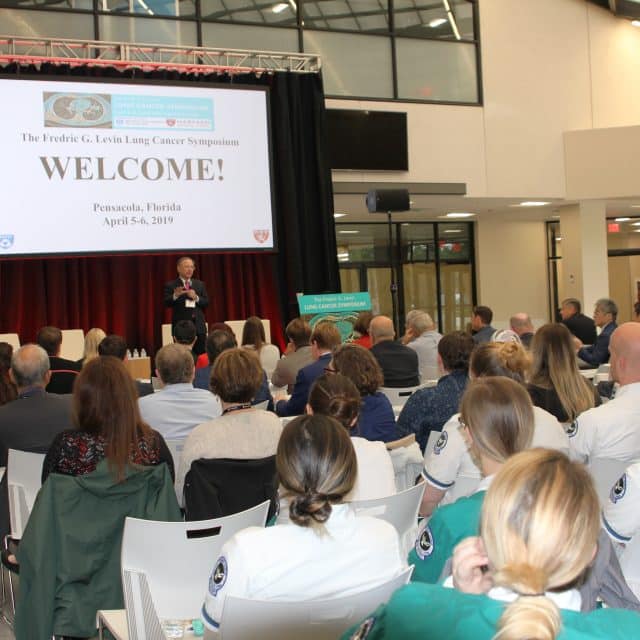
Published 3.17.25 The Fredric G. Levin Lung Care Symposium will bring to Pensacola experts in thoracic surgery, lung cancer research, and pulmonary care for a day of groundbreaking discussions and advancements in the field. Hosted on the campus of the Florida Institute for Human and Machine Cognition (IHMC), this live virtual and in-person symposium serves as a platform for physicians, researchers, and healthcare professionals to explore the latest innovations in lung cancer treatment, surgical techniques, and patient care strategies. “IHMC takes seriously our place as a home for innovation and scientific collaboration,” said Dr. Morley Stone, IHMC’s Chief Executive Officer. “Working with the team at Brigham and Women’s Hospital to host the Levin Lung Symposium is our honor.” Established through the generosity of Pensacola native Fredric G. Levin, this symposium reflects his commitment to advancing medical research and improving patient outcomes. Levin was a highly regarded plaintiff’s attorney with a national reputation whose career spanned more than 40 years. He died in 2021 of COVID after having survived stage 4 lung and brain cancer. Sessions will feature renowned faculty, emerging research, and multidisciplinary collaboration to drive progress in thoracic surgery and lung health. As a leader in lung cancer treatment and thoracic… Read More